Table of Contents
Dry Hair – Definition
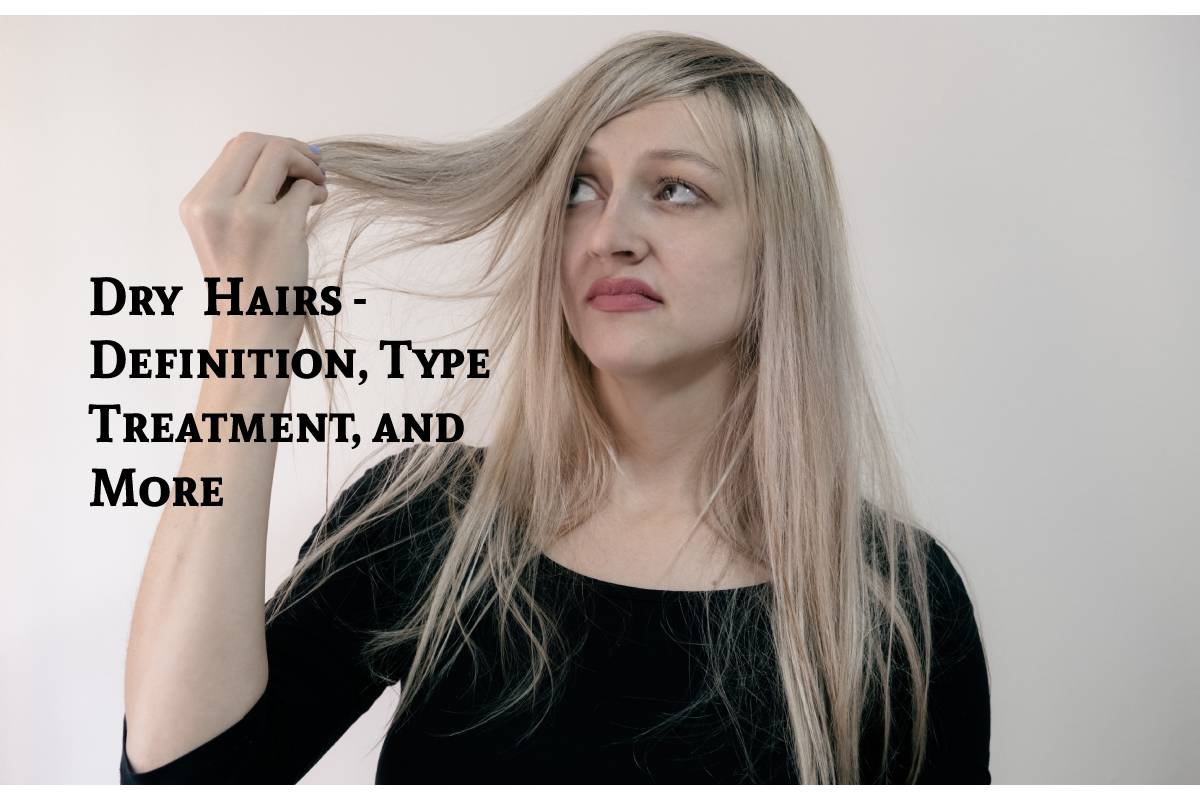
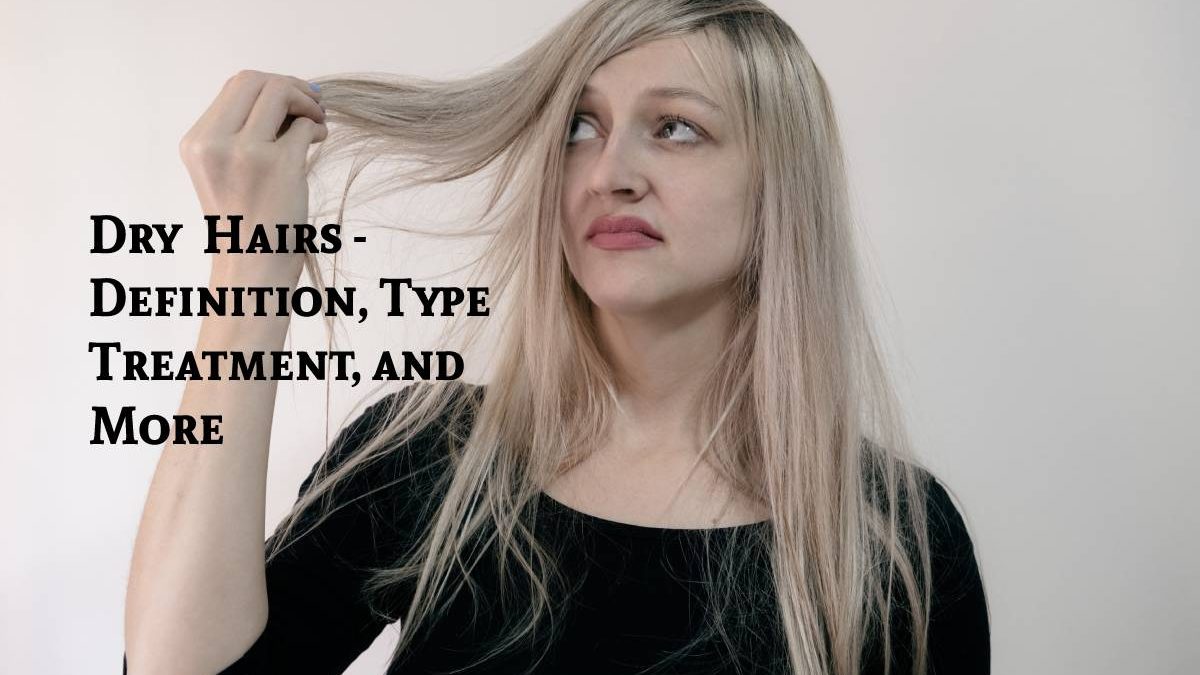
Dry hair often feels rough, stiff, and similar to straw. These are not qualities anyone wants when describing their hair. If you regularly wonder, “Why is my hair so dry and brittle?” every time you touch it, you may be frustrated because you cannot identify the cause. Fortunately, understanding the reasons behind dry and damaged hair can help you make simple changes to your hair-care routine.
Dry Hair Types
Hair type also plays an important role in dryness. Curly hair is particularly prone to dryness, especially at the ends, because of its natural shape. The natural oils produced by the scalp have to travel further along the curved hair shaft, which can leave the ends feeling dry and thirsty.
As we age, the scalp may also produce fewer natural oils, contributing to dryness. While this is a natural process, understanding these changes can help you maintain adequate moisture levels. Look for shampoos and conditioners containing moisturising ingredients that suit your hair type.
Underlying Health Problems
If you have tried improving your hair-care routine but continue to experience dry and brittle strands, it may be worth speaking with a doctor. Nutritional deficiencies and hormonal changes can sometimes affect the condition of the hair.
A healthcare professional can help determine whether persistent dry or brittle hair could be associated with an underlying health concern. Maintaining a balanced diet and following a consistent hair-care routine can also support overall hair health.
How to Care for Dry Hair?
Conditioner should be an important part of a hair-care routine, particularly for dry or damaged hair. Even delicate hair types need moisture to help maintain a healthy appearance.
Choose a conditioner designed for your specific hair type and level of dryness. A moisturising conditioner can help make the hair feel softer, smoother, and easier to manage.
For more tips, you can also explore this guide to healthy hair and learn about habits that can help maintain stronger-looking strands.
Use Heat-Styling Tools at a Lower Temperature
You do not necessarily need to stop using straighteners or curling irons completely, but reducing how frequently you use them can help minimise unnecessary heat exposure. When possible, allow your hair to air-dry naturally or give it a break from heat styling for a few days.
Excessive heat can contribute to dryness and make already damaged hair feel rougher and more brittle.
Leave-In Conditioner? Excellent Idea!
Conditioner does not always have to be rinsed out. A suitable leave-in conditioner can provide additional moisture between washes and may help control frizz.
Some lightweight hair oils and leave-in products can also help make dry strands feel smoother without leaving them excessively greasy. Apply a small amount to the lengths and ends, especially if these areas are particularly dry.
Dry Hair Treatment
Treatment for Dry and Damaged Hair Once a Week
Just as a face mask can be included in a skincare routine, a hair mask can be used as part of a weekly hair-care routine. A moisturising treatment can provide additional conditioning for hair that feels dry or damaged.
Apply the product according to its instructions and allow it to remain on the hair for the recommended amount of time before rinsing. Regular conditioning can help improve the look and feel of dry strands.
Natural hair-care options are also popular. For example, some people explore ingredients such as sandalwood masks for skin and hair as part of their personal-care routines.
Protect the Hair
Just as you protect your skin from environmental exposure, your hair can benefit from protection against sun, wind, and extreme weather. Wearing a hat can help reduce exposure to harsh sunlight and cold winds.
If you regularly colour your hair, choosing suitable products and following a careful maintenance routine can also help. You can learn more about choosing suitable shades and care considerations in this guide to hair colour for brown skin.
Hair that is already dry or damaged may require extra care, particularly after chemical treatments such as colouring or straightening.
For people concerned about changes in hair colour, natural approaches are also sometimes explored. This guide explains how to use turmeric for white hair as one such beauty-care option.
It is also important to distinguish dry hair from a dry scalp. A dry scalp can cause discomfort and flaking and may require a different approach to hair care. Learn more about dry scalp and how it differs from dry hair.
Conclusion
Dry hair can be caused by several factors, including excessive heat styling, chemical treatments, colouring, environmental exposure, and inadequate moisture. Permanent straightening and frequent dyeing can affect the hair structure, leaving it feeling and looking dry.
High temperatures from straighteners, curling irons, and other styling tools can also contribute to moisture loss. A consistent routine that includes conditioning, occasional deep treatments, gentle styling, and protection from environmental factors can help improve the appearance and manageability of dry hair.
With the right care and attention to your hair type, you can reduce unnecessary damage and keep your hair looking softer, healthier, and more manageable.