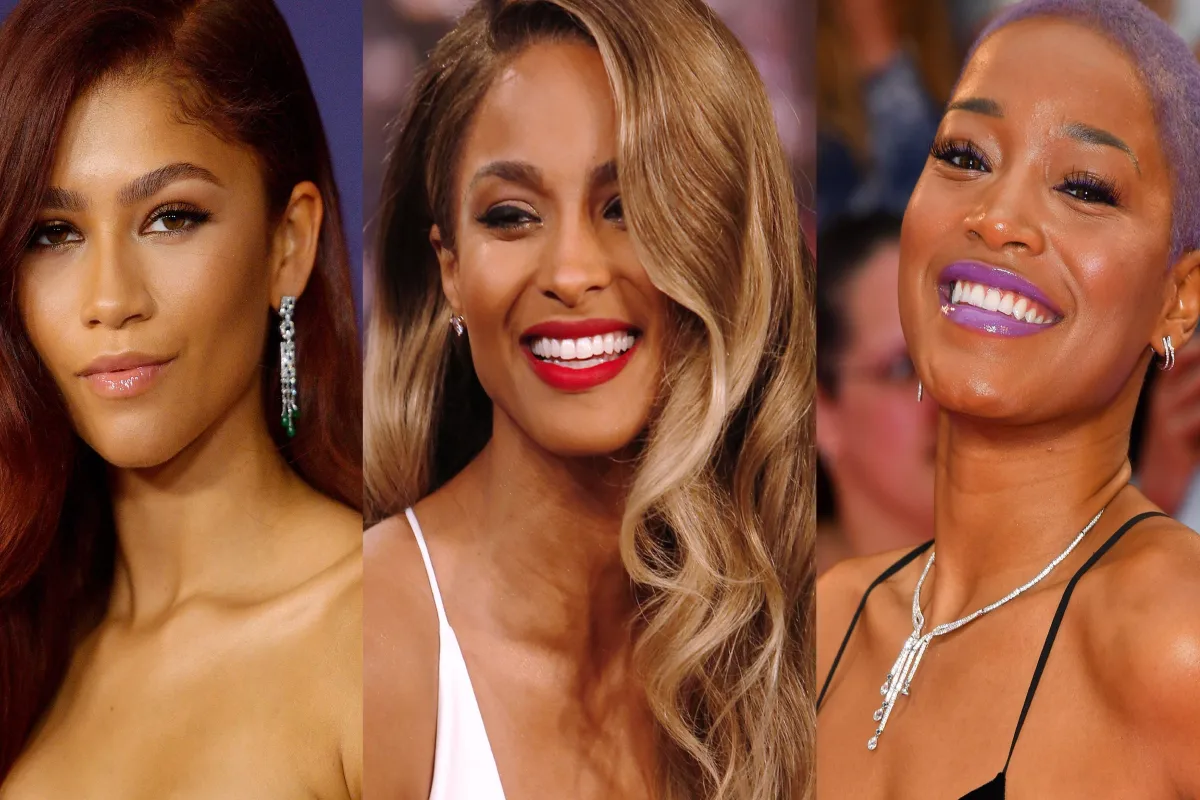
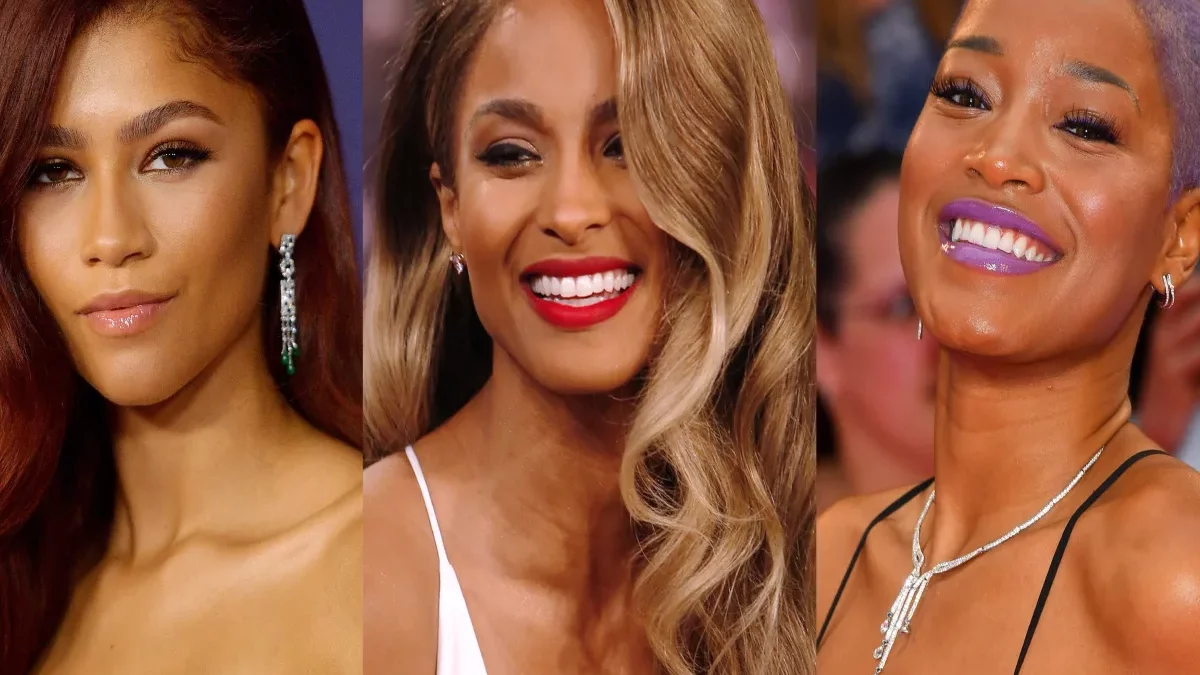
Natural hair colour is primarily influenced by melanin, but hair can also display a mixture of shades. Brown hair, for example, can contain red, golden, blonde, or darker undertones. Popular combinations include golden red, dark blonde with light brown, black with dark brown, and brown with blonde tones.
For people with brown skin, choosing the right hair colour can help complement the natural undertones of the skin. Warm browns, caramel, honey, copper, burgundy, and selected blonde shades can create attractive contrasts, while the final choice should also consider natural hair colour and personal preference.
According to hair-colour trends, shades ranging from warm golden tones to coppery orange continue to be popular choices. Before colouring, it is also important to consider the condition of the hair because frequent chemical processing can contribute to dryness and breakage. If your hair already feels rough or brittle, learn more about dry hair and how to care for it before applying colour.
Table of Contents
Concepts
Natural hair colour is determined mainly by two types of melanin: eumelanin and pheomelanin. Eumelanin is primarily responsible for darker shades ranging from brown to black, while pheomelanin contributes to lighter and warmer shades, including yellow, gold, and red tones.
These pigments occur in different proportions from person to person, creating the wide variety of natural hair colours seen across individuals. Melanin is produced by specialised cells called melanocytes, which are located in the hair bulb. The pigment is distributed through the cortex and medulla, while the cuticle contains little to no melanin.
Understanding your natural hair colour and undertones can make it easier to select a suitable dye or highlight shade.
Classified Hair Dyes and Components of Hair Colour
Hair dyes can be classified according to the origin of their colouring components, including vegetable, metallic, and synthetic dyes. They can also be classified according to how long their colour lasts, such as temporary, semi-permanent, and permanent dyes.
The detailed classification of hair dyes considers factors such as formulation ingredients, chemical families, colour mechanisms, application methods, grey-hair coverage, and the potential risk of sensitisation.
When choosing a hair dye, it is important to follow the manufacturer’s instructions and perform a patch test when recommended. Hair colouring can alter the condition of the hair, particularly when bleaching or repeated chemical treatments are involved.
Light Hair
Lightening your hair can be one way to change your appearance and create a brighter, more summery look. Some people prefer natural-looking techniques, while others choose professional colouring products at a salon.
Many home remedies are traditionally used to lighten hair, although their effects can vary and may be less predictable than professional treatments. If you have dry or fragile hair, repeated lightening can make the strands more vulnerable to breakage. Maintaining healthy hair should therefore remain a priority when experimenting with colour.
Dark Hair
Dark hair contains more eumelanin, which contributes to brown and black shades. When considering hair-removal procedures, skin tone and hair colour can also affect how certain technologies work.
Laser hair removal generally works by targeting pigment in the hair follicle. Modern devices and treatment approaches can be adapted for different skin tones, but the results and safety depend on the technology, settings, hair characteristics, and experience of the practitioner.
Anyone considering laser hair removal should consult a qualified professional who can assess their skin and hair type and recommend an appropriate treatment.
Light Hair and Dark Hair
Hair can be an important part of personal style and self-expression. Changing its colour can reflect different stages of life, fashion preferences, or simply a desire for a new appearance.
Whether you prefer light blonde, warm brown, rich black, copper, or a combination of shades, the best colour is often one that complements your skin tone while fitting your personal style.
People with curly or textured hair should also consider their hair’s condition before undergoing chemical colouring. A suitable curly hair-care routine can help maintain moisture and manageability.
Home Remedies for Healthy Hair
Lemon Juice
Lemon juice is traditionally used as a natural hair-lightening ingredient. However, acidic ingredients can make hair feel dry and may increase sensitivity when the hair is exposed to sunlight.
If you choose to try this method, use it cautiously and avoid excessive sun exposure. It is also important to protect your skin with an appropriate sunscreen.
Chamomile
Chamomile is one of the best-known traditional ingredients used to create subtle golden highlights. You can prepare a mild chamomile infusion, allow it to cool, and apply it to the hair.
The results are generally subtle and may vary according to your natural hair colour. If your hair is already dry, use conditioning products afterwards to help maintain moisture.
Baking Soda
Baking soda is sometimes promoted as a natural way to lighten hair. However, it is alkaline and can disrupt the hair’s surface and contribute to dryness or roughness when used excessively.
For this reason, it is better to avoid frequent baking-soda treatments, particularly if your hair is chemically treated or already damaged.
Apple Cider Vinegar
Apple cider vinegar is another commonly discussed home remedy for hair care. It is sometimes diluted with water and used as a hair rinse.
Because vinegar is acidic, concentrated or frequent use may irritate the scalp or make the hair feel dry. Always dilute it properly and stop using it if you experience irritation. If your scalp is already dry or uncomfortable, learn more about dry scalp care before trying acidic home treatments.
For additional natural hair-care ideas, you can also explore a sandalwood mask for skin and hair.
Conclusion
Hair colour provides many opportunities to experiment beyond traditional light brown or dark brown shades. Brown hair can be combined with warmer orange, copper, caramel, golden, or blonde tones to create different looks.
However, colour treatments and lightening can affect the condition of the hair. Maintaining moisture and following a suitable hair-care routine is especially important after chemical treatments.
If you are interested in natural approaches to changing or maintaining hair colour, you can also explore turmeric for white hair. Whatever colour you choose, prioritising scalp and hair health can help you enjoy your new look while keeping your hair manageable and well cared for.