Table of Contents
Introduction
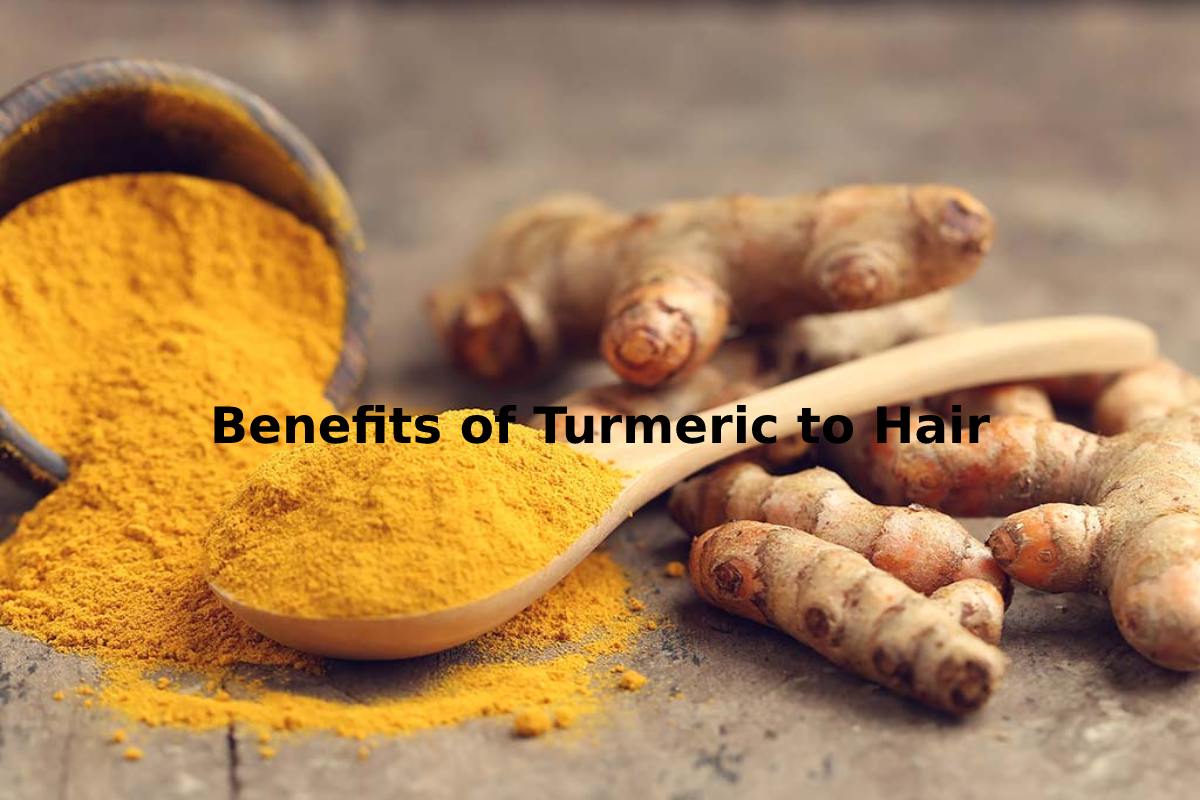
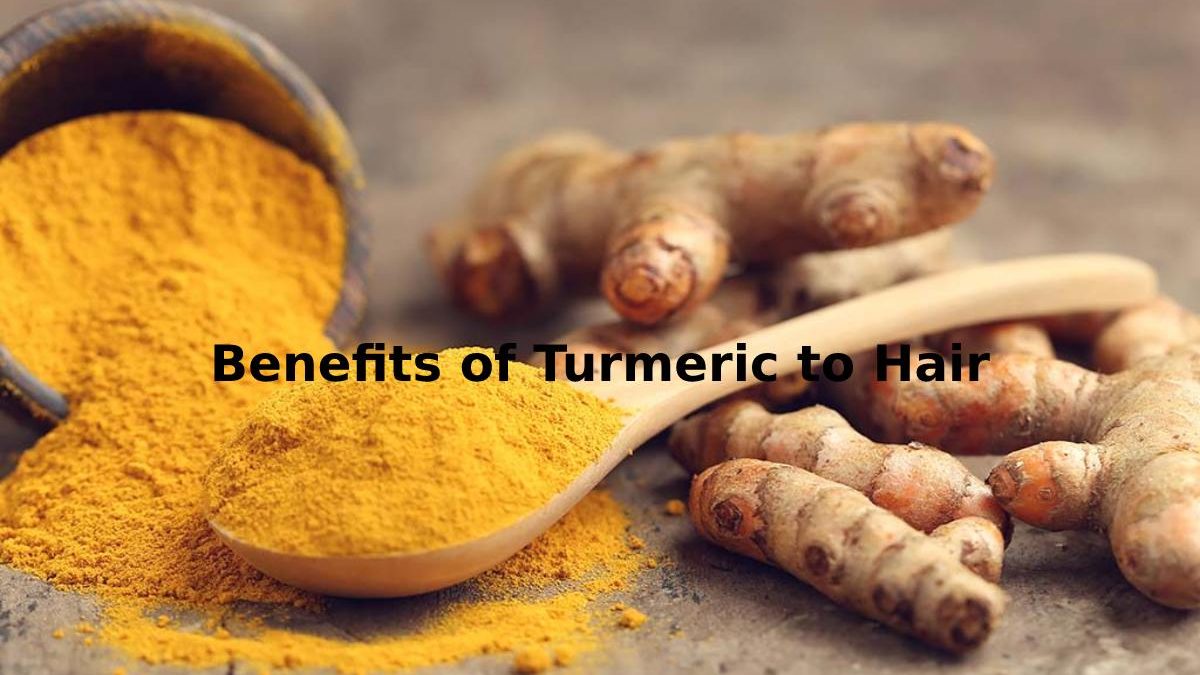
Research into the benefits of turmeric for hair is still limited. Curcumin, one of the main active compounds in turmeric, has been studied for its antioxidant and anti-inflammatory properties. However, there is not enough evidence to conclude that turmeric or curcumin can reliably reverse or prevent grey hair.
Turmeric is also used in some natural hair-colouring recipes. These preparations may temporarily alter the appearance of the hair, potentially making grey strands less noticeable.
If your hair is already dry or damaged, it is worth taking extra care before trying homemade colouring treatments. You can learn more about dry hair and its causes and how to maintain moisture.
How to Use Turmeric for White Hair?
Take Curcumin Supplements
Some research has explored whether curcumin supplementation may have an effect on hair colour and greying. However, evidence remains limited, and turmeric or curcumin supplements should not be considered a proven treatment for white or grey hair.
Taking large doses of curcumin may also cause side effects or interact with certain medicines. Possible adverse effects can include digestive discomfort and an increased risk of bleeding in some circumstances.
It is therefore better to speak with a doctor or qualified healthcare professional before taking concentrated curcumin supplements, especially if you take medication or have an existing health condition.
Use Turmeric in a Natural Recipe for Hair Colour
Turmeric can be included in homemade hair-colouring recipes. While such recipes are not proven to reverse greying, turmeric’s strong yellow-orange pigment may temporarily change the appearance of lighter or grey hair.
Recipe Ingredients
- Three tablespoons of ground turmeric
- Three tablespoons of chamomile
- Three tablespoons of marigold (calendula) flowers
- Two cups of water
How to Apply the Recipe
To prepare a simple turmeric hair rinse:
- Bring the water to a boil and add the turmeric, chamomile, and marigold.
- Remove the mixture from the heat and allow the ingredients to steep for around 20–30 minutes.
- Strain the liquid carefully to remove the plant material.
- Allow the mixture to cool to a comfortable temperature.
- Apply or rinse the hair with the prepared liquid.
- Rinse the hair with clean water afterwards.
Results can vary depending on the natural colour and condition of your hair. Always perform a small patch test before using a new homemade preparation.
The Benefits of Turmeric for Hair
After considering the potential relationship between turmeric and white hair, there are several other proposed benefits of turmeric for hair and scalp. However, many of these benefits are based on the properties of turmeric rather than strong clinical evidence in humans.
May Support a Healthy Scalp
Turmeric contains curcumin, which has antioxidant and anti-inflammatory properties. These properties have led to interest in its potential role in supporting scalp health.
A healthy scalp provides a good environment for normal hair growth. However, turmeric should not be considered a replacement for medical treatment when inflammation, infection, or persistent scalp problems are present.
Support Healthy-Looking Hair
A balanced diet and appropriate hair-care routine are more important for maintaining healthy-looking hair than relying on a single ingredient.
For more general hair-care guidance, see this guide to healthy hair, which covers nutrition, conditioning, scalp care, and other habits that can support hair health.
Scalp Care
Turmeric has traditionally been used in various beauty and personal-care preparations because of its natural compounds. Its anti-inflammatory and antimicrobial properties are being researched, but more evidence is needed to establish how effective topical turmeric is for specific scalp conditions.
If your scalp tends to become dry or flaky, it is important to distinguish scalp dryness from other scalp conditions. Read more about dry scalp and suitable care approaches.
Other Potential Benefits
Turmeric may have additional potential uses in traditional hair and skincare routines. However, scientific evidence for many topical applications remains limited.
Some people use turmeric-based preparations as part of routines intended to:
- Support a healthy-looking scalp.
- Soothe the appearance of irritated skin.
- Provide antioxidant benefits.
- Complement natural hair and beauty routines.
People with curly or textured hair should also consider their specific moisture needs. This guide on how to take care of curly hair provides additional hair-care information.
Turmeric Damage and Possible Side Effects
Before using turmeric to try to obtain any potential hair benefits, it is important to understand that topical turmeric and oral turmeric supplements can have drawbacks.
Topical turmeric may cause:
- Yellow staining of the hair or skin.
- Allergic reactions or contact dermatitis.
- Scalp irritation in sensitive individuals.
Excessive oral consumption or concentrated turmeric supplements may also cause digestive problems. High-dose supplements can potentially interact with medicines, including those affecting blood clotting.
People with certain health conditions should seek medical advice before taking turmeric or curcumin supplements. Supplements can differ considerably in concentration and formulation, so following professional advice is preferable to taking large doses independently.
If your hair becomes dry after using a turmeric-based preparation, return to a gentle conditioning routine. You can also review these tips for maintaining healthy hair.
Other Recipes for White Hair
After exploring turmeric for white or grey hair, some people also try other traditional natural recipes. These approaches may temporarily alter the appearance of hair, but they are not proven methods for reversing the biological process of greying.
Black Tea Recipe
Prepare a strong black tea infusion by boiling water with black tea. Allow it to cool, apply it to the hair, and rinse according to your preferred routine.
Indian Gooseberry (Amla) Recipe
Amla is traditionally used in Indian hair-care practices. Some homemade preparations combine amla with other ingredients such as lemon juice. Because acidic ingredients can irritate the scalp or dry the hair, use them cautiously and avoid leaving strong preparations on the scalp for extended periods.
Curry Leaves Recipe
Curry leaves are another traditional ingredient used in homemade hair-care preparations. They are sometimes heated with coconut oil, cooled, and strained before the oil is applied to the hair.
If you are experimenting with natural hair-colouring methods, remember that repeated treatments can affect hair texture and moisture. Those with chemically treated hair should be particularly cautious.
For people interested in choosing a colour rather than relying on homemade remedies, explore this guide to hair colour for brown skin for ideas on complementary shades.
For another natural hair-care option, you can also explore a sandalwood mask for skin and hair.
Overall, turmeric can be an interesting ingredient in traditional hair-care routines, but there is currently limited evidence that it can prevent or reverse grey hair. If premature or sudden greying is accompanied by other changes in your hair or scalp, consider speaking with a healthcare professional to identify possible underlying causes.