Table of Contents
Introduction
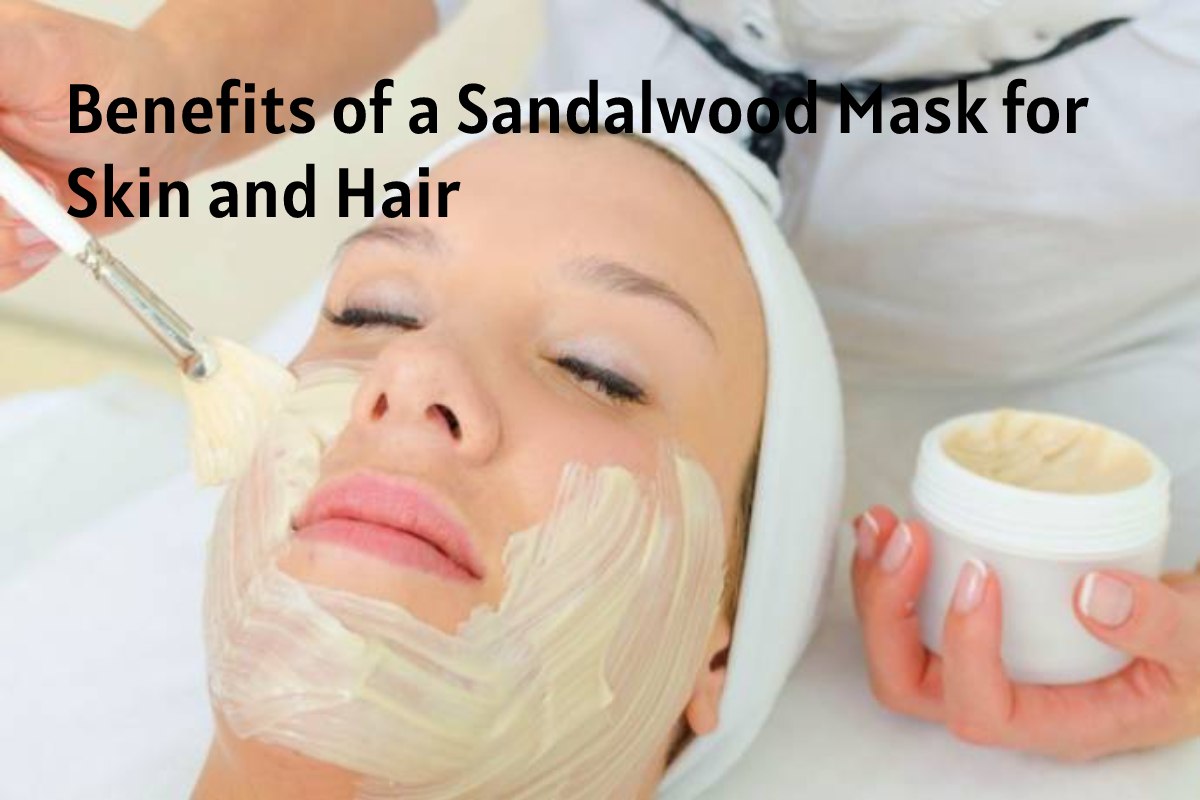
This article explores the potential benefits of a sandalwood mask for skin and hair, along with several natural recipes you can try. Sandalwood powder and oil have traditionally been used in skincare and haircare routines. Regular topical use may offer benefits such as soothing the skin, supporting moisture, and improving its overall appearance.
Give Skin a Youthful Look
Sandalwood is a natural ingredient containing antioxidant compounds that may support healthy-looking skin. Its potential benefits include:
- Helping protect the skin from oxidative stress caused by free radicals, which may contribute to visible signs of ageing such as dark spots and fine lines.
- Supporting skin softness and elasticity, which can contribute to a more youthful appearance.
- Keeping the skin feeling smooth and refreshed as part of a regular skincare routine.
For people who are also concerned about hair health and appearance, following a consistent routine for healthy hair can complement an overall beauty routine.
Treat and Manage Acne Problems
One potential benefit of a sandalwood mask is that it may help support clearer-looking skin. Sandalwood has traditionally been used in skincare because of its soothing and antimicrobial properties.
Sandalwood powder may help gently cleanse the skin and remove surface impurities. Some compounds found in sandalwood may also have antimicrobial activity, although this does not mean sandalwood can replace proven acne treatments.
If you have sensitive or acne-prone skin, always perform a patch test before applying a sandalwood mask to your entire face.
Moisturise the Skin
Another potential sandalwood mask benefit is its ability to support the skin’s moisture and softness. This may make sandalwood suitable for people who experience dry or rough skin.
Sandalwood powder and sandalwood oil are traditionally used in moisturising skincare preparations. However, sandalwood itself should not be considered a replacement for a good moisturiser, particularly if your skin is very dry.
If dryness also affects your scalp and hair, you may find it useful to learn more about dry hair and ways to care for it.
Other Sandalwood Mask Benefits
Sandalwood masks may have several other potential skincare benefits, including:
- Helping improve the appearance of uneven skin tone and pigmentation.
- Providing a soothing and cooling sensation when applied to the skin.
- Helping calm the appearance of skin affected by environmental stress.
- Supporting soft and hydrated-looking skin.
Although sandalwood is often used in traditional beauty routines, claims about skin whitening, wound healing, or treating burns should be approached carefully. For significant pigmentation, burns, wounds, or persistent skin conditions, professional medical advice is more appropriate.
Sandalwood Mask Recipes for Skin
Here are some simple sandalwood mask recipes for the skin.
Sandalwood and Chickpea Flour Mask: For Bright-Looking Skin
Mix equal amounts of sandalwood powder and chickpea flour. You can add a small amount of turmeric and enough rose water to create a smooth paste.
Apply the mixture evenly to the skin and leave it on for around 10–15 minutes. Once it begins to dry, rinse gently with lukewarm water.
If you regularly use turmeric in your beauty routine, you can also read about how to use turmeric for white hair for another natural haircare approach.
Sandalwood and Walnut Mask: For Exfoliation
Mix two tablespoons of orange peel powder with one tablespoon of sandalwood powder and one tablespoon of finely ground walnut powder. Add a tablespoon of honey and enough curd or yoghurt to make a smooth mixture.
Apply it gently to the skin and massage using light circular movements. Avoid aggressive rubbing, as rough exfoliation can irritate the skin. Leave it on briefly before washing with lukewarm water.
Benefits of Sandalwood Mask for Hair
Sandalwood powder or oil is also used in some traditional haircare routines. Its potential benefits may include:
- Helping remove excess oil and sebum from the scalp.
- Supporting a clean and comfortable scalp.
- Providing a soothing sensation during scalp massage.
- Helping maintain softer, healthier-looking hair.
If your main concern is scalp dryness, you can also learn more about dry scalp and its common causes.
For people with textured or wavy hair, a suitable routine for taking care of curly hair can also help maintain moisture and manageability.
There is limited evidence that sandalwood can directly prevent hair loss or significantly increase hair growth, so it is best viewed as a complementary haircare ingredient rather than a treatment for hair-loss conditions.
Sandalwood Mask Recipe for Hair
Sandalwood can be incorporated into a haircare routine in different ways. One traditional approach is to combine a small amount of sandalwood oil with suitable carrier oils.
For example, mix a small amount of sandalwood oil with a carrier oil such as sesame oil. If you wish to use lavender oil, only add a small amount and ensure it is properly diluted.
Massage the diluted mixture gently onto the scalp. Leave it on for a short period before washing your hair thoroughly.
Always dilute essential oils before applying them to the scalp, and perform a patch test first.
Sandalwood Mask Damage and Precautions
Sandalwood and sandalwood oil may be suitable for many people when used correctly, but they can still cause irritation or allergic reactions in some individuals. Possible reactions include redness, itching, burning, or contact dermatitis.
To reduce the risk of irritation:
- Do not apply sandalwood oil directly to damaged or broken skin.
- Dilute sandalwood essential oil with a suitable carrier oil before topical use.
- Perform a patch test before using a new sandalwood preparation.
- Stop using the product if irritation or an allergic reaction develops.
- Avoid getting the mixture into your eyes.
Sandalwood masks can be a useful addition to a natural skincare or haircare routine, but they should complement—not replace—evidence-based treatments when dealing with persistent skin or scalp problems.