
Table of Contents
Introduction
A dry scalp is a condition that can occur when the scalp does not produce enough natural oils to maintain adequate moisture. It can also be associated with certain skin conditions, environmental factors, or unsuitable hair-care practices.
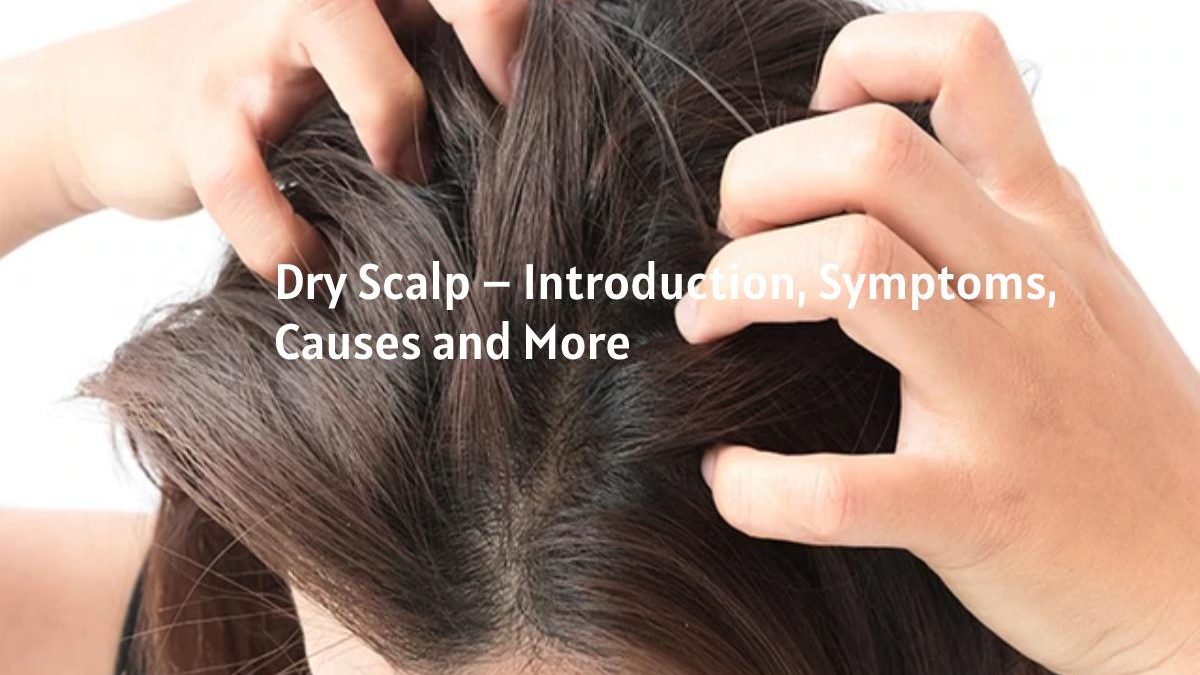
A dry scalp is often accompanied by symptoms such as itching, flaking, tightness, and irritation. People who naturally have dry skin may also be more prone to experiencing scalp dryness.
It is also important to distinguish a dry scalp from dry hair. Dry hair affects the hair shaft itself, while scalp dryness affects the skin covering the scalp.
Symptoms of Dry Scalp
The most common symptoms that may accompany a dry scalp include:
- Dry or brittle-looking hair.
- Itching and an urge to scratch the scalp.
- A feeling of tightness on the scalp.
- Visible flakes or peeling skin.
- Redness or irritation of the scalp.
Persistent symptoms may require professional evaluation, particularly if they are accompanied by significant hair loss, sores, swelling, or severe inflammation.
Causes of Dry Scalp
Here are some of the most common possible causes of scalp dryness.
Eczema
Eczema is a common skin condition that can affect the scalp and cause dryness, itching, redness, and irritation. Various factors may aggravate eczema, including stress, weather changes, and fragranced hair-care products.
People with sensitive skin may benefit from using gentle, fragrance-free products and avoiding ingredients that trigger irritation.
Seborrheic Dermatitis
Seborrheic dermatitis is a common inflammatory skin condition that can affect areas of the body with many oil-producing glands, including the scalp. It may cause flaking, itching, redness, and greasy or yellowish scales.
Although it can sometimes look similar to simple dry scalp, seborrheic dermatitis is associated with inflammation and requires different care in some cases.
Scalp Psoriasis
Scalp psoriasis is an inflammatory condition in which the immune system contributes to the rapid development of skin cells. It can produce raised, red areas covered with silvery-white scales.
Because scalp psoriasis can resemble other scalp conditions, a dermatologist can help identify the cause and recommend appropriate treatment.
Other Reasons
In addition to skin conditions, several other factors may contribute to scalp dryness, including:
- Frequent use of harsh hair-care products or products containing irritating ingredients.
- A diet that does not provide adequate essential nutrients.
- Exposure to very cold, dry, or otherwise unsuitable weather conditions.
- Excessive hair washing, particularly when using strong shampoos.
- Seasonal changes.
- Stress or individual sensitivities.
The ideal frequency of hair washing varies according to hair type, scalp condition, lifestyle, and the products being used.
People with curly or textured hair may need a different washing and moisturising routine. You can find additional advice in this guide to taking care of curly hair.
Treatment of Dry Scalp
Treatment depends on the underlying cause. Mild dryness may improve with a gentler hair-care routine, while persistent symptoms caused by a skin condition may require medical treatment.
Apply Natural Recipes to the Scalp Carefully
Some people use natural oils as part of their scalp-care routine. Options such as coconut, olive, sesame, or argan oil may help moisturise dry skin.
If you choose to use an oil, apply a small amount and massage it gently into the scalp. Leave it on for a short period before washing thoroughly with a mild shampoo.
Essential oils should not generally be applied directly to the scalp because they can cause irritation or allergic reactions. If using one, it should be properly diluted and patch-tested first.
A gentle shampoo is usually preferable to products containing harsh cleansing ingredients when the scalp is dry or sensitive.
Apple Cider Vinegar
Apple cider vinegar is sometimes used as a home remedy for scalp problems. However, vinegar is acidic and can irritate sensitive or damaged skin when it is too concentrated.
If you choose to use it, dilute it thoroughly and avoid applying it to broken or irritated skin. Stop immediately if you experience burning, redness, or discomfort.
Banana Mask
Bananas are sometimes used in homemade hair and scalp masks because of their moisturising properties.
To make a simple mask, mash a ripe banana and combine it with a small amount of plain yoghurt and coconut oil. Apply a thin layer to the hair or scalp, leave it for around 15–20 minutes, and rinse thoroughly.
A patch test is recommended before applying any homemade preparation to sensitive skin.
Cactus or Aloe Gel
Aloe vera gel is commonly used in skincare and hair-care routines because it can provide a cooling and moisturising sensation.
If you want to use aloe vera gel on the scalp, apply a small amount and leave it on for a short period before rinsing. Avoid combining it with undiluted essential oils, as these may irritate the scalp.
Natural ingredients are not suitable for everyone, so discontinue use if irritation develops.
Use Vitamins and Minerals Carefully
Certain nutritional deficiencies can contribute to changes in hair and skin health. Nutrients such as vitamin B6, vitamin B12, zinc, selenium, and omega-3 fatty acids all play roles in normal body functions.
However, taking supplements without a confirmed deficiency is not necessarily beneficial and, in some cases, excessive amounts can be harmful. A balanced diet should generally be the first approach.
Vitamin E is also widely used in beauty products, but applying concentrated vitamin E capsules directly to the scalp is not suitable for everyone and may cause irritation or allergic reactions. Consult a healthcare professional if you suspect a nutritional deficiency or are considering supplements.
Maintaining overall hair health is also important when dealing with scalp dryness. Read more about healthy hair and everyday practices that can support stronger-looking hair.
Undergo Medical Treatments
If dry scalp is caused by an underlying skin condition, treating that condition may help improve the scalp.
Depending on the diagnosis, a healthcare professional may recommend treatments such as:
- Anti-dandruff or medicated shampoo.
- Topical corticosteroids for certain inflammatory scalp conditions.
- Other prescription or over-the-counter treatments based on the underlying cause.
It is important not to use steroid products on the scalp without appropriate medical guidance, particularly for prolonged periods.
Hair Care and Dry Scalp
A consistent hair-care routine can help minimise scalp dryness. Use gentle products, avoid excessive heat, and do not scratch or aggressively scrub the scalp.
If you regularly colour your hair, choose products carefully because repeated chemical processing may contribute to dryness. You can also explore this guide to hair colour for brown skin for additional hair-colouring information.
For people interested in natural hair-care ingredients, turmeric for white hair is another topic to explore, although homemade treatments should be used cautiously on sensitive scalps.
For additional natural beauty-care ideas, you can also read about a sandalwood mask for skin and hair.
If dryness continues despite changing your hair-care routine, or if you develop severe itching, redness, scaling, sores, or noticeable hair loss, consult a dermatologist for an accurate diagnosis and suitable treatment.