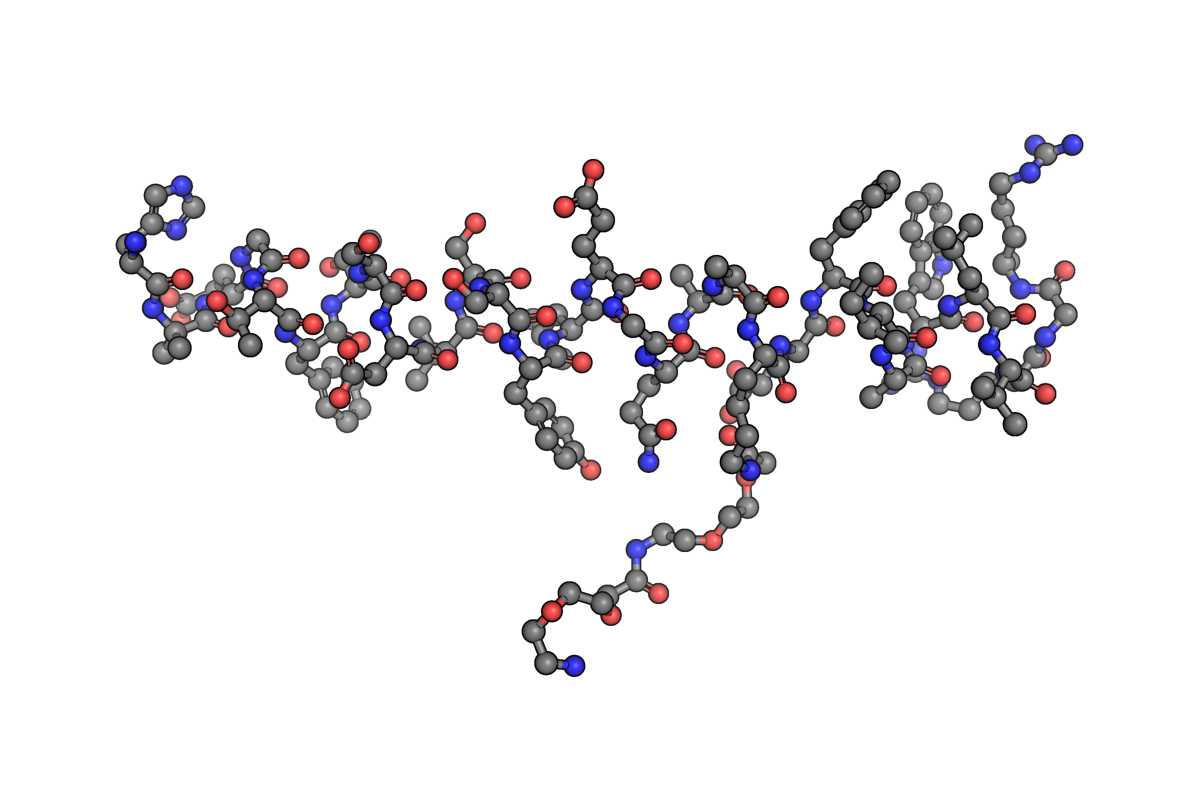
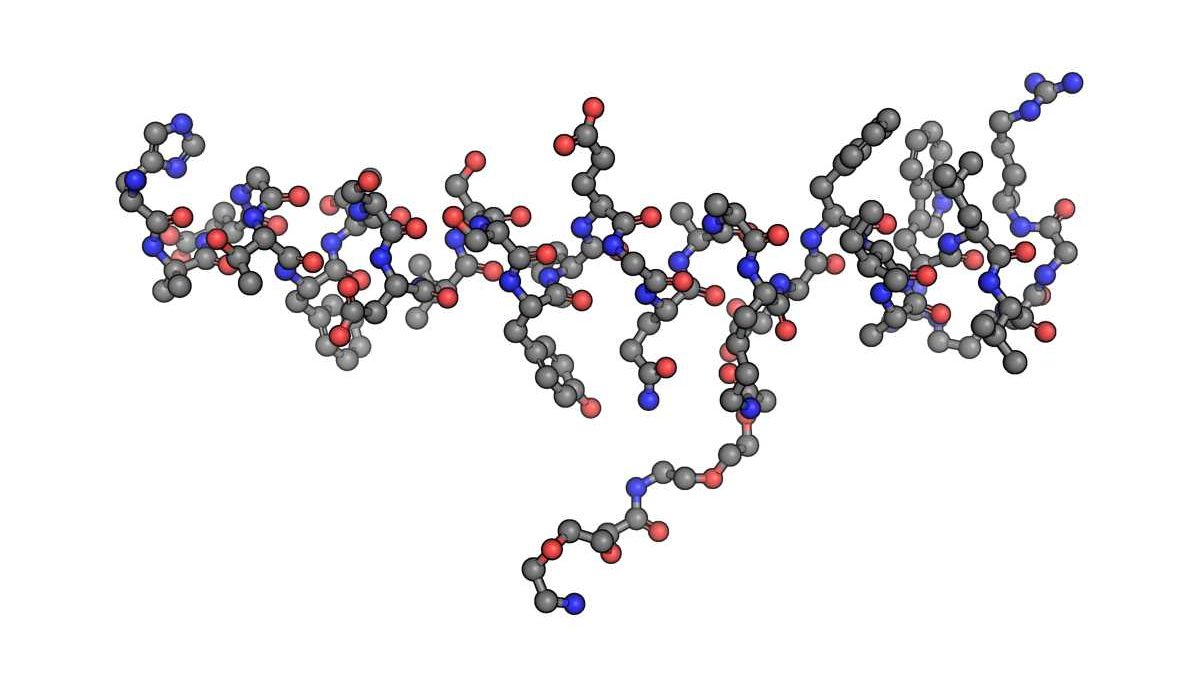
Semaglutide, a medication originally developed for type 2 diabetes management, has shown promising results in addressing obesity and related eating disorders. Recent studies have focused on its potential to influence emotional eating patterns in obese individuals. Semaglutide significantly improved emotional eating and other abnormal eating behaviors in adults living with obesity over a short-term period.
The drug works by mimicking a hormone that targets areas of the brain involved in appetite regulation and reward systems. This unique mechanism of action suggests that semaglutide may offer benefits beyond simple weight loss, potentially addressing the psychological aspects of disordered eating behaviors.
Semaglutide as a weight loss medication has demonstrated effectiveness in reducing body weight and improving various eating patterns, including emotional eating, binge episodes, and food cravings. These effects were observed in a relatively short timeframe, providing hope for individuals struggling with obesity and associated eating disorders. People looking for additional lifestyle approaches can also explore how to burn belly fat through healthy eating and regular physical activity.
Table of Contents
Key Takeaways
- Semaglutide improves emotional eating and other abnormal eating patterns in obese individuals
- The medication targets brain areas involved in appetite regulation and reward systems
- Short-term use of semaglutide shows promising results for weight loss and eating behavior modification
Understanding Semaglutide and Its Mechanism of Action
Semaglutide is a glucagon-like peptide-1 (GLP-1) receptor agonist approved for treating type 2 diabetes and obesity. It works by mimicking the effects of natural GLP-1 in the body, influencing appetite regulation and glucose metabolism.
Impact on Obesity and Weight Loss
Semaglutide has shown remarkable efficacy in promoting weight loss among obese individuals. In clinical trials, patients taking semaglutide experienced significant reductions in body weight and BMI compared to placebo groups.
The medication helps suppress appetite and increase feelings of fullness, leading to reduced calorie intake. This effect is particularly beneficial for those struggling with obesity-related health issues. Understanding how to design a calorie deficit can also help individuals understand the role of energy intake in weight management.
Semaglutide’s impact on weight loss is not just short-term. Studies indicate that consistent use can lead to sustained weight reduction over time, potentially improving overall health outcomes for obese patients.
Incretin Receptor Agonist and Appetite Regulation
As an incretin receptor agonist, semaglutide binds to and activates GLP-1 receptors throughout the body. This action triggers several physiological responses that contribute to appetite regulation and improved glycemic control.
In the brain, semaglutide influences areas involved in appetite and food reward, reducing hunger sensations and food cravings. It also slows gastric emptying, prolonging feelings of fullness after meals.
The medication enhances insulin secretion from pancreatic beta cells while suppressing glucagon release. This dual action helps maintain stable blood glucose levels, particularly beneficial for individuals with type 2 diabetes.
Semaglutide’s long-acting formulation allows for once-weekly injections, improving treatment adherence compared to daily medications.
The Psychological Aspects of Emotional Eating
Emotional eating involves complex psychological mechanisms related to reward processing and emotion regulation in the brain. Physical activity can play a role in modulating these processes.
Brain Reward System and Eating Patterns
The brain’s reward system plays a crucial role in emotional eating behaviors. This system, which includes areas like the nucleus accumbens and ventral tegmental area, responds strongly to palatable foods. In individuals prone to emotional eating, this response is often heightened.
Stress, anxiety, and depression can amplify reward signals, leading to increased cravings and consumption of high-calorie foods. This creates a cycle where eating temporarily alleviates negative emotions, reinforcing the behavior.
Neuroimaging studies have shown altered activation patterns in reward-related brain regions among emotional eaters when exposed to food cues. These differences may contribute to difficulties in controlling food intake during times of emotional distress. Recognising common myths about weight loss can help people develop more realistic expectations and avoid ineffective approaches.
Emotion Regulation and the Effects of Physical Activity
Emotion regulation is a key factor in managing emotional eating tendencies. Individuals who struggle with emotional eating often have difficulty identifying and coping with their emotions effectively.
Exercise can serve as a powerful tool for emotion regulation. Regular physical activity has been shown to:
- Reduce stress and anxiety levels
- Improve mood and decrease depressive symptoms
- Enhance self-esteem and body image
These psychological benefits can help individuals better manage their emotions without turning to food. Exercise also stimulates the release of endorphins, providing a natural mood boost.
Studies have found that engaging in moderate exercise can reduce cravings and emotional eating episodes. It may also improve impulse control and decision-making related to food choices. Some people also explore dietary habits such as drinking green tea to slim down, although green tea should not be viewed as a substitute for balanced nutrition or appropriate medical treatment.
Alongside these habits, ginger is sometimes included in wellness routines. However, ginger drinks are not a proven treatment for obesity. Learn more about ginger and tummy slimming to understand this popular weight-management topic.
Conclusion
Semaglutide shows promising short-term effects on emotional eating in obese individuals. Studies indicate significant improvements in emotional eating patterns and other abnormal eating behaviors among those taking the medication.
Reductions in binge eating episodes and food cravings were also observed. This suggests semaglutide may be an effective tool for addressing problematic eating habits associated with obesity.
Further research is needed to fully understand the long-term impacts and optimal use of semaglutide for treating emotional eating and related disorders. Weight management progress can vary between individuals, and understanding the reasons for weight stability may help explain why weight changes sometimes slow down despite continued efforts.