Table of Contents
Introduction
Are there haemorrhoid healing exercises? What are the vital tips to follow when exercising with haemorrhoids? Here’s an explanation for this:
There are no haemorrhoid healing exercises, but there are several exercises that contribute to alleviating symptoms and contribute to their treatment or prevention as follows:
Regular physical activity can help improve bowel movements, reduce constipation and support overall digestive health. However, exercise does not directly cure haemorrhoids, and certain movements may worsen pain or swelling. Understanding how to exercise safely is an important part of maintaining the definition of health and general well-being.
Sphincter Exercises
Sphincter exercises include the following gentle positions, which may help promote relaxation and reduce discomfort. Stop any movement that increases pain or pressure around the anus.
Legs Up the Wall
This exercise may help relax the body and relieve tension after a long day. Although it is not a proven treatment for haemorrhoids, gentle relaxation and movement can support comfort.
Here is an explanation of the steps of this exercise:
- Spread a yoga mat on the floor near a wall, with the possibility of placing a small pillow under the head.
- Lie on the mat with the buttocks positioned comfortably near the wall.
- Stretch your legs against the wall, and feel a slight stretch in them.
- Put your arms in a comfortable position and breathe deeply.
- Maintain this position for 5–15 minutes, provided it feels comfortable. Move cautiously to the sitting position and stay seated for at least 30 seconds.
Avoid this position if it causes discomfort or increases pressure in the affected area.
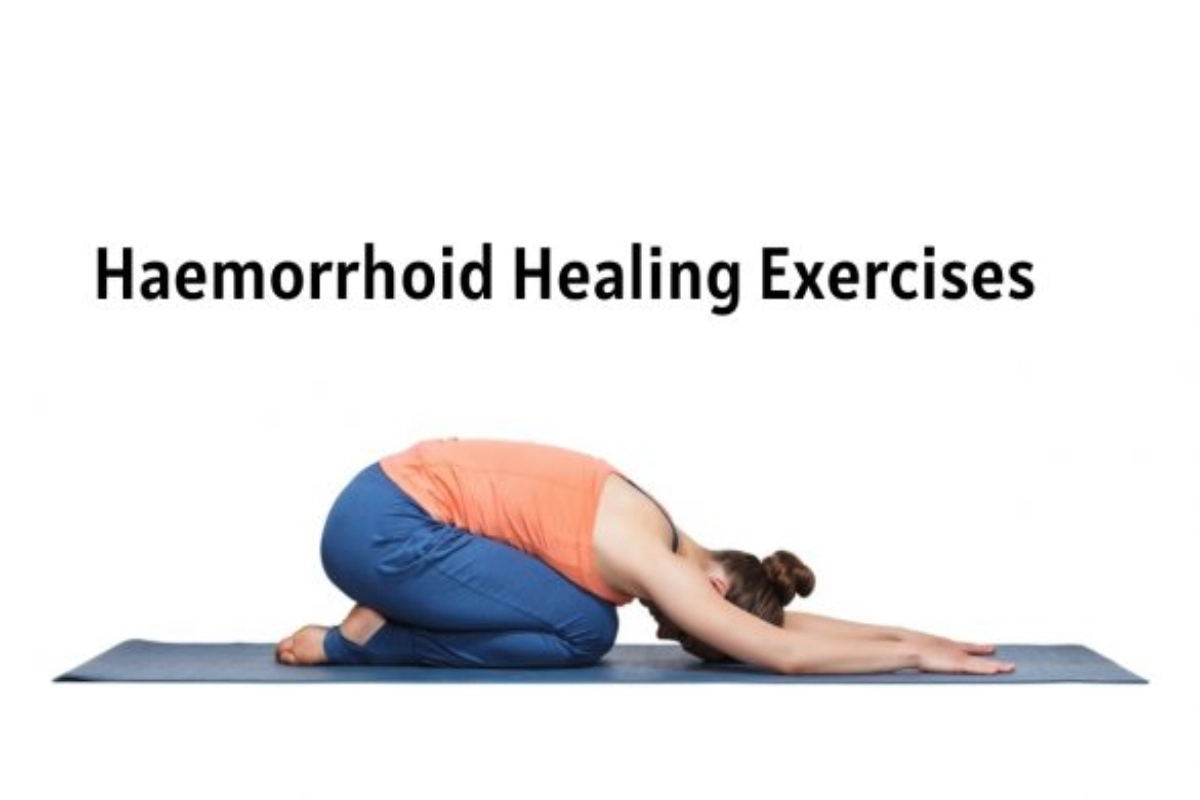
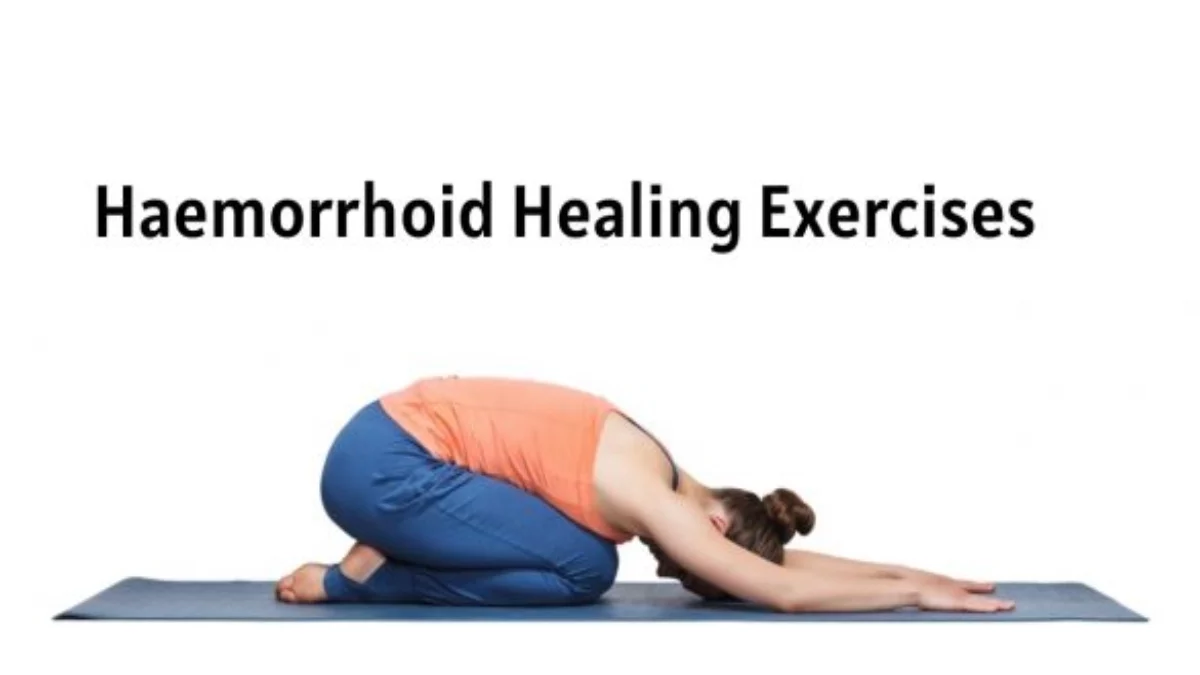
Child’s Pose
Child’s Pose is a gentle yoga position that may help relax the back and hips. It can also encourage relaxation, although there is limited evidence that it directly improves haemorrhoids.
These exercises are performed by following the following steps:
- Spread a yoga mat on the floor.
- Get on your knees.
- Lean forward slowly.
- Rest your buttocks towards your heels as comfortably as possible.
- Rest your forehead on the floor or a cushion.
- Extend your arms forward so that the palms face the ground, or move the arms alongside the legs.
- Inhale and exhale slowly, repeating the breathing cycle several times.
Avoid forcing the position if you experience pain or pressure around the anus.
Pelvic Floor Muscle Exercises (Kegel)
Pelvic floor exercises strengthen the muscles that support the bladder, bowel and other pelvic organs. They may be useful for some pelvic floor conditions, but they do not directly cure haemorrhoids. If the pelvic floor muscles are already tense, relaxation exercises may be more appropriate.
To practise these exercises, follow these guidelines:
- Lie on the ground or sit in a comfortable position.
- Gently tighten the muscles as if you were preventing gas from escaping.
- Hold the contraction for approximately three to five seconds while breathing normally.
- Relax the muscles completely for a similar period.
- Repeat a few times without straining.
- Gradually increase repetitions as your comfort and strength improve.
Avoid holding your breath or pushing downwards during the exercise.
Other Exercises
Several low-impact activities may help improve bowel regularity and reduce constipation, which can contribute to haemorrhoid symptoms.
These exercises include:
- Cardio and walking activities: Walking for 20–30 minutes, depending on your comfort and fitness, may help encourage regular bowel movements.
- Aerobic exercises: Gentle exercise using a treadmill or elliptical machine can support general fitness.
- Water sports: Swimming is a low-impact activity that may be comfortable for people who experience discomfort while walking.
- Yoga: Gentle yoga and stretching may help reduce stress and encourage relaxation.
Start gradually and increase activity according to your comfort. Staying active also supports overall health, just as appropriate hydration can help soothe throat discomfort. Read more about drinks to treat a sore throat.
What Exercise Is Forbidden When You Have Haemorrhoids?
The presence of haemorrhoid healing exercises is incorrect. Still, some can be exercised to alleviate their symptoms and pain, and you should note that there are several activities to be avoided if they worsen discomfort, as follows:
- Heavy weightlifting: Lifting heavy weights while holding your breath can increase abdominal pressure and aggravate symptoms.
- Exercises that press sensitive areas: Avoid movements that cause direct pressure or friction around the anus.
- Horse riding: The pressure and friction associated with riding may worsen pain.
- Strenuous exercises: High-intensity movements that involve excessive straining may aggravate symptoms.
- Cycling: Bicycle seats can place pressure on the affected area, so consider walking or swimming if cycling causes discomfort.
You do not necessarily need to avoid every activity permanently. Modify or pause exercises that cause pain, bleeding or increased swelling.
Tips When Exercising with Haemorrhoids
After ascertaining the validity of haemorrhoid healing exercises, here are several tips to follow before starting to exercise with haemorrhoids:
- Maintain body hydration: Drink enough water throughout the day to help prevent constipation, unless your healthcare professional has advised you to limit fluids.
- Wear loose clothing: Choose comfortable clothing that allows ventilation and helps prevent friction.
- Change sweaty clothes: Change out of sweat-wet clothes after your workout to reduce irritation.
- Avoid straining: Breathe normally during exercise and avoid holding your breath while lifting weights.
- Eat enough fibre: Include vegetables, fruits, whole grains and legumes in your diet to help soften stools and make bowel movements easier.
- Avoid prolonged sitting: Take regular movement breaks, particularly if you spend much of the day sitting.
People experiencing other health concerns should seek suitable professional guidance before beginning a new exercise routine. For example, the causes of delayed pregnancy require a different medical assessment, while disability support may help people find appropriate assistance for ongoing functional needs.
When Should You Seek Medical Advice?
Consult a healthcare professional if haemorrhoid symptoms persist, repeatedly return or interfere with everyday activities. Rectal bleeding should not automatically be attributed to haemorrhoids, particularly if it is new or unexplained.
Seek urgent medical attention for heavy bleeding, severe anal pain, dizziness or black, tarry stools. Depending on the diagnosis, a clinician may recommend dietary changes, medicines or other types of treatment at a hospital.
If you have other medical conditions, your healthcare professional can advise which activities are suitable. Tests such as checking the creatinine normal range may be relevant when evaluating kidney function, but they are not routine tests for diagnosing haemorrhoids.
Conclusion
Gentle walking, swimming, comfortable yoga positions and appropriate pelvic floor exercises may help support bowel regularity and general well-being when living with haemorrhoids. However, no exercise can guarantee a cure.
Avoid movements that increase pain or pressure, drink enough fluids, eat fibre-rich foods and avoid straining during bowel movements. If symptoms persist or worsen, seek medical advice to identify the cause and choose the most appropriate treatment.