
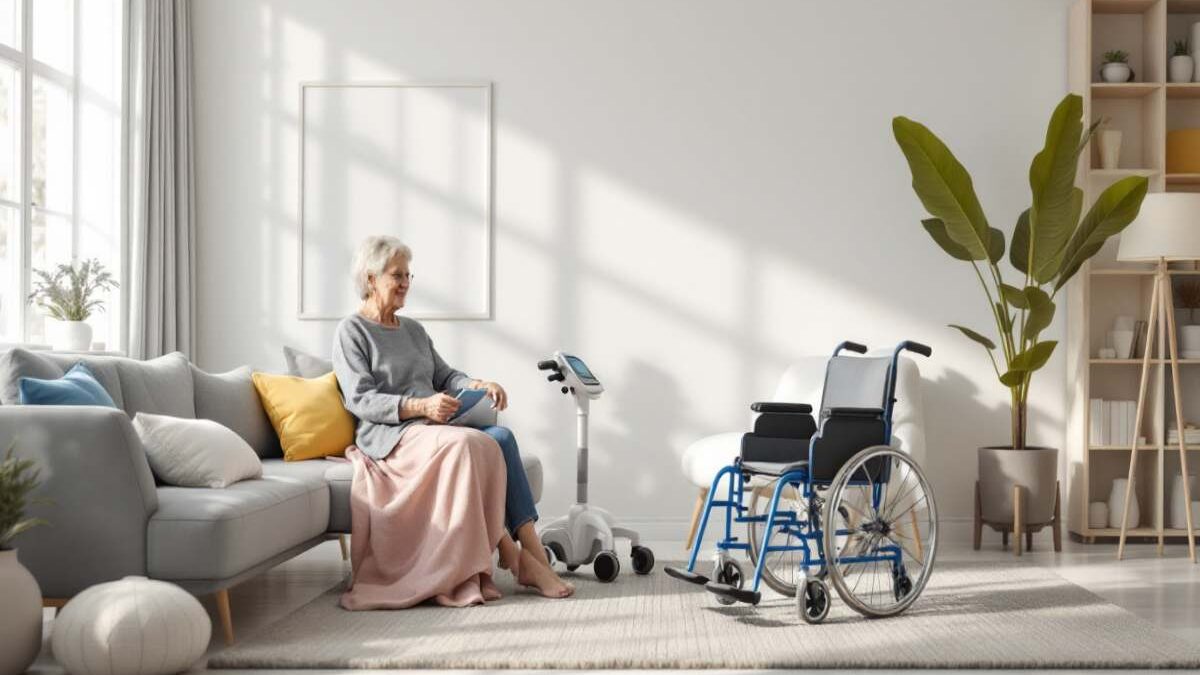
For many individuals living with disabilities, quality of life is closely connected to independence, dignity, and comfort. While clinical settings and residential facilities can provide necessary care, remaining at home often offers emotional stability and familiarity that cannot be replicated elsewhere. In-home disability support plays a vital role in empowering individuals to maintain routines, relationships, and personal control over their daily lives.
Table of Contents
Preserving Independence in Familiar Surroundings
Home is more than a physical space. It represents safety, identity, and routine. Receiving care within this environment allows individuals to maintain a sense of ownership over their lives. Simple daily choices such as what to eat, when to rest, or how to arrange personal belongings contribute significantly to emotional well-being.
In-home support services are designed to assist with tasks while encouraging participation. Whether it involves personal care, mobility assistance, or household support, the goal is to enhance independence rather than replace it. This balance fosters confidence and reinforces a sense of capability.
Personalized Care Tailored to Individual Needs
Every person living with disability has unique requirements and preferences. In-home care allows support plans to be customized around specific medical, physical, and emotional needs. Care providers can adapt routines to suit individual schedules and goals, ensuring services align with personal lifestyles.
Accessing professional services, such as disability in home care from careforfamily.com.au enables families to receive structured support while maintaining comfort at home. Personalized care plans consider mobility challenges, communication needs, and daily living activities, ensuring that assistance feels supportive rather than intrusive.
Strengthening Family Connections
Living at home supports continued connection with family members and loved ones. Familiar interactions and shared experiences promote emotional stability and reduce feelings of isolation. In-home care can also relieve pressure on family caregivers by providing professional assistance when needed.
By sharing responsibilities with trained support workers, families can focus more on meaningful interactions rather than solely managing care tasks. This improves overall family well-being and prevents caregiver burnout. A balanced support system ensures both the individual and their loved ones maintain a healthy quality of life.
Encouraging Social Engagement
In-home disability support does not isolate individuals from the community. On the contrary, it can enhance participation. Support workers often assist with transportation, appointments, recreational activities, and community engagement. Maintaining social connections plays a critical role in mental health and overall happiness.
When individuals feel supported in pursuing hobbies, attending events, or participating in local programs, their sense of belonging grows stronger. Social inclusion contributes to improved confidence and emotional resilience.
Promoting Physical and Emotional Health
Consistent care within a familiar environment can lead to better health outcomes. Regular monitoring of medication, assistance with exercise, and structured routines help maintain physical well-being. Emotional health also benefits from reduced stress and anxiety that may accompany unfamiliar institutional settings.
In-home support allows individuals to feel secure while receiving professional assistance. The combination of stability and skilled care fosters an environment where health needs are addressed without compromising personal comfort.
A Holistic Approach to Quality of Life
Quality of life extends beyond meeting basic medical needs. It encompasses emotional well-being, personal dignity, meaningful relationships, and the ability to participate in daily activities. In-home disability support recognizes this holistic perspective.
By providing tailored assistance within the comfort of home, individuals can maintain independence, nurture family connections, and engage with their communities. This integrated approach enhances both physical health and emotional fulfilment.
In-home disability support is more than a service. It is a pathway toward maintaining autonomy and improving overall quality of life for individuals and families alike.