How To Apply Moisturizer On Your Face – Moisturizers were a specific product in the home for a long time. Nowadays, they are among the most frequently used skincare products. However, some people still do not apply moisturizers or, if they do, don’t know how to apply them properly.
Moisturizer is a must-have product for people with normal, combination or sensitive skin. People who incorporate moisturizing into their daily skincare routine may notice softer, more comfortable and hydrated skin.
However, those who do not apply a facial moisturizer may be more likely to experience dryness and flaking. Simply put, a facial moisturizer is among the most crucial elements of a basic skincare routine.
Table of Contents
4 Different Types of Moisturizers
There are numerous kinds of moisturizers, and each has its own advantages. Knowing the various types will assist you in selecting the best one for your facial moisturizer requirements. The most commonly used types include humectants, occlusives, ceramides and emollients.
Humectants
Humectants aid in attracting and holding in moisture. They are beneficial for treating dry skin and reducing the appearance of fine lines caused by dehydration.
The most common humectants are:
- Glycerin: Glycerin attracts water and helps maintain hydration in the skin. It can also help support the skin barrier and is commonly used in moisturizers for sensitive skin.
- Hyaluronic Acid: Hyaluronic acid is a moisture-binding ingredient with hydrating properties. It is commonly used in moisturizers designed for dry or dehydrated skin.
Occlusives
Occlusives function by creating a barrier on the skin that helps reduce water loss. Occlusive ingredients can feel heavier or greasy because they form a protective layer over the skin.
Common occlusive agents include petrolatum, mineral oil and certain plant-based oils.
Ceramides
Ceramides are natural lipids found in the skin. They help support the skin barrier and reduce moisture loss from the outermost layer of the skin.
Commonly used ceramides include Ceramide 1, Ceramide 3, Ceramide 6-II and phytosphingosine.
Emollients
Emollients help smooth rough areas of the skin and improve its texture. They can make the skin feel softer and more supple.
Common emollients include shea butter, jojoba oil and tocopherol.
8 Benefits of Using an Everyday Moisturizer
Improves Skin Tone
Cream-based moisturizers can contain ingredients that help improve the appearance of uneven skin tone and support the skin barrier. However, a moisturizer alone will not necessarily remove acne marks or pigmentation.
Prevents Dryness
Applying a moisturizer regularly is one of the best ways to reduce dryness because it helps trap moisture and reduce water loss from the skin.
Keeps Skin Plump and Smooth
Moisturizing helps the skin feel softer and more supple. Ingredients such as hyaluronic acid, squalene, urea, glycerin and lactic acid can help maintain hydration and temporarily improve the appearance of fine lines caused by dryness.
Maintains Skin Hydration
A moisturizer is an important product in a skincare routine because it helps maintain hydration throughout the day and can prevent the skin from becoming excessively dry or dehydrated.
Helps Prevent Peeling and Flaking
If you don’t moisturize your skin enough, the skin on your face can begin to peel and flake. Applying a suitable moisturizer regularly can help reduce dryness and maintain a smoother appearance.
Helps Prevent Tired-Looking Skin
Moisturizing helps replenish the skin’s moisture and can make dehydrated skin appear healthier. Some eye-care products contain ingredients such as caffeine that may temporarily reduce the appearance of puffiness.
Protects Against Sunburn and Inflammation
Daily moisturizing can support the skin barrier and help reduce dryness and irritation. However, moisturizer should not replace sunscreen. For protection against UV damage, use a broad-spectrum sunscreen with an appropriate SPF.
Helps Keep Skin Soft and Supple
Moisturizers help keep your skin soft and supple, but choosing the right product is important. Not every product labelled “moisturizing” will suit every skin type.
If you’ve got dry to normal-looking skin, you may prefer a richer moisturizer designed for dry skin. If you have oily or acne-prone skin, opt for a lightweight, oil-free or non-comedogenic moisturizer.
What to Look For in a Moisturizer
The most effective moisturizers often contain several ingredients that work together to support hydration and the skin barrier. Here are some of the most important factors to consider.
Skin Type
It is crucial to select a moisturizer based on the kind of skin you have rather than only the result you’d like to achieve. If, for instance, you suffer from oily skin, a heavy oil-based moisturizer may feel uncomfortable. Instead, consider a lightweight gel or lotion formulated for oily skin.
Dry Skin
A light or rich cream containing humectants such as glycerin and hyaluronic acid can be useful for dry, flaky skin. Ceramides and occlusive ingredients can also help reduce moisture loss.
Sensitive Skin
Sensitive skin can be prone to redness and irritation from certain skincare ingredients. Look for a simple formula that is free from unnecessary fragrance and harsh ingredients. Patch-testing a new product can also help identify potential irritation.
Mature Skin
A moisturizer designed for mature skin may contain ingredients such as peptides or niacinamide to support the appearance of firmness and elasticity. Antioxidants such as vitamins C and E may also be included in skincare routines targeting signs of ageing.
Skin with Pigmentation
If you have dark spots or discolouration, look for a moisturizer that supports your skin type and routine. Ingredients such as vitamin C can be included in a broader skincare routine. Exfoliating products containing alpha hydroxy acids (AHAs), such as glycolic acid, may also be used carefully to improve the appearance of uneven texture.
If you are interested in adding an exfoliating product to your routine, you can learn more about The Ordinary Glycolic Acid 7% Toning Solution.
Acne-Prone Skin
For acne-prone skin, choose lightweight, non-comedogenic moisturizers. Ingredients such as niacinamide may help support the skin barrier, while salicylic acid and benzoyl peroxide are commonly used in separate acne-treatment products.
Sun-Damaged Skin
If you’ve suffered sunburn, seek appropriate sun protection and avoid irritating active ingredients until your skin recovers. For everyday use, choose a broad-spectrum sunscreen with SPF 30 or higher rather than relying on a moisturizer with a low SPF alone.
Sensitive Skin
A moisturizing product for people with sensitive skin should focus on supporting the skin barrier and reducing the risk of irritation. Ingredients such as ceramides, glycerin and aloe vera may be suitable depending on individual sensitivity.
When Should You Apply Moisturizer?
There are several useful times to apply moisturizer. It is important to make moisturizing a consistent part of your skincare routine, particularly if your skin is dry or dehydrated.
After Washing Your Face
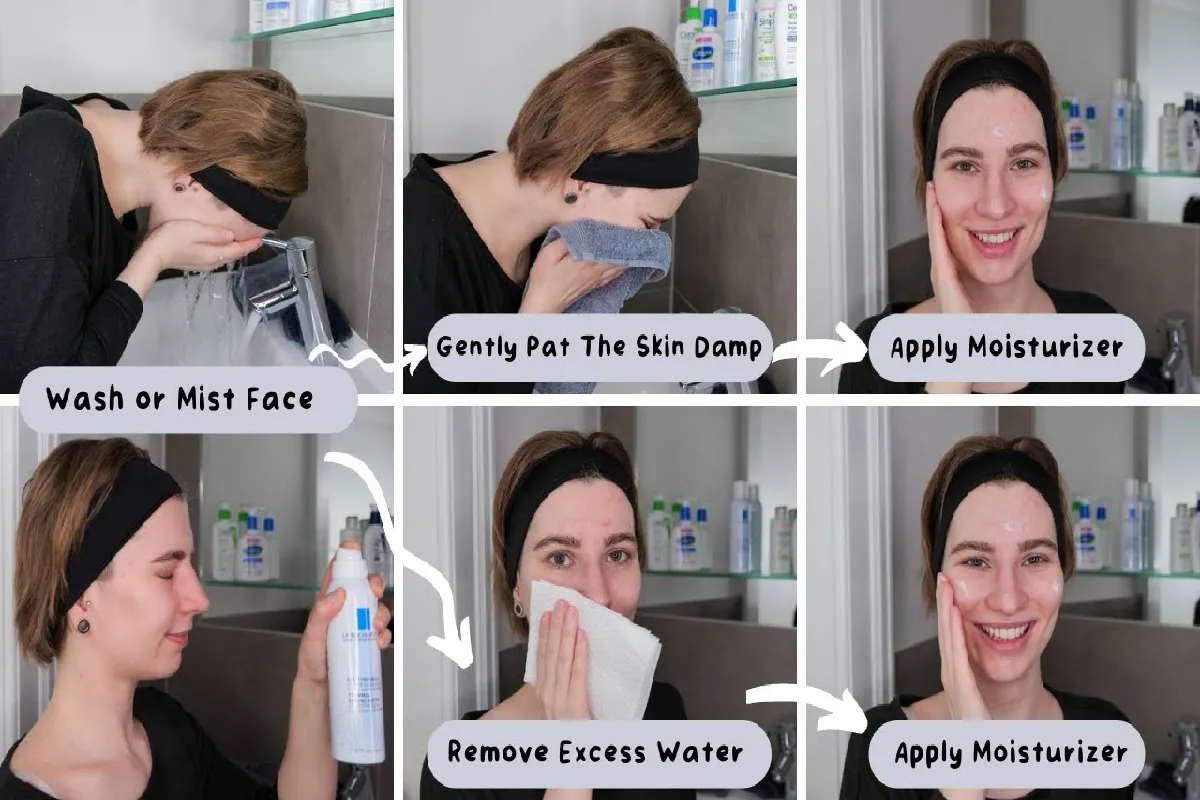
You should clean your face using a gentle cleanser suited to your skin type. After cleansing, apply moisturizer while the skin is slightly damp to help retain hydration.
If you are looking for a gentle cleansing option, you can also read about the CeraVe Foaming Facial Cleanser.
In the Morning
After cleansing your face at the beginning of the day, apply moisturizer and follow with a broad-spectrum sunscreen. If your moisturizer does not contain adequate sun protection, use a separate facial sunscreen.
If You Are Not Wearing Makeup
Applying moisturizer is important whether or not you wear makeup. A simple routine of cleansing, moisturizing and sun protection can help maintain the skin barrier throughout the day.
If you do apply makeup after moisturizing, allow the moisturizer to absorb before applying your other products.
Before It Gets Dark
At night, remove makeup and cleanse your face before applying moisturizer. A night-time moisturizer can help support the skin barrier while you sleep.
If you’ve got oily skin, choose a lightweight, non-comedogenic formula. If you suffer from dry or combination skin, you may prefer a richer cream containing ingredients such as ceramides or nourishing emollients.
When You Are Breaking Out
If you’re suffering from acne, selecting the correct moisturizer is important. A heavy, pore-clogging product may worsen breakouts in some people.
Instead, opt for a lightweight, non-comedogenic moisturizer that helps hydrate the skin without leaving a heavy residue. Moisturizing is particularly important when using acne treatments that can cause dryness.
Before and After Sun Exposure
If you’re planning to spend time outdoors, apply a broad-spectrum sunscreen before going outside. A moisturizer can be used underneath sunscreen if your skin requires additional hydration.
If you’ve got sunburn, avoid harsh skincare products and use gentle, soothing skincare while the skin recovers.
When You Travel
Air travel can make your skin feel dry because of the low-humidity environment. Applying a suitable moisturizer before and during a long flight can help reduce discomfort caused by dryness.
If you’re planning an extended drive, continue your normal skincare routine and remember that sunscreen is important when your skin is exposed to sunlight through windows.
How To Apply Moisturizer for the Most Benefits
There are several simple steps to follow when applying moisturizer.
Clean Hands
Use clean hands when applying anything to your face. Wash your hands before touching your skin to reduce the transfer of dirt and bacteria.
Use Gentle Movements
Apply moisturizer using gentle movements rather than aggressively rubbing or pulling the skin. You can spread the product evenly across your face using your fingertips.
On Slightly Damp Skin
Moisturizer can be applied to slightly damp skin after cleansing. Gently pat your face with a towel, leaving some moisture on the skin, and then apply your moisturizer.
This can help reduce water loss and leave the skin feeling hydrated.
On Clean Skin
For the best results, apply moisturizer after cleansing rather than over dirty or makeup-covered skin. A clean surface allows you to apply your skincare products more evenly.
You can also incorporate tools such as a jade roller into your routine if you enjoy facial massage, although these tools are not necessary for moisturizer to work.
When You Are Using the Right Technique
For any skincare regimen, it is important to understand how your products work and how to apply them without irritating your skin. Using excessive pressure or too much product can cause unnecessary friction.
In a Gentle Circular Motion
Dab a small amount of moisturizer onto your fingertips and gently spread it across your face. There is no need to massage aggressively to make the ingredients work. A light application is usually sufficient.
Avoid Excessive Rubbing
If you have cuts, active acne, dark spots or other blemishes, avoid aggressively rubbing those areas. Apply moisturizer gently around affected areas and follow any treatment instructions recommended by a dermatologist.
Combining Moisturizer With Other Skincare Treatments
Moisturizer is often used alongside other skincare products, including cleansers, exfoliants and treatment serums. When using stronger active ingredients, introduce them gradually to reduce the risk of irritation.
For example, if you are using glycolic acid or another exfoliating product, make sure your routine also includes adequate moisturization and daily sun protection.
People interested in advanced at-home skincare devices may also explore Qure Skincare, which combines skincare formulations with devices designed for specific skin concerns.
Similarly, LED light therapy has become popular in home skincare routines. You can learn more about the Omnilux mask and how LED masks are used as part of a skincare routine.
If you are comparing different skincare brands and formulations, this guide on CeraVe vs The Ordinary skincare effectiveness can also help you understand how different product types may fit into a routine.
Finally, if you use products designed to address tanning or pigmentation, review their ingredients carefully and be aware of possible reactions. You can read more about O3+ D-Tan Pack side effects before adding similar products to your routine.