Table of Contents
Skin Colour Unification: Effective Ways to Achieve an Even Skin Tone
Introduction
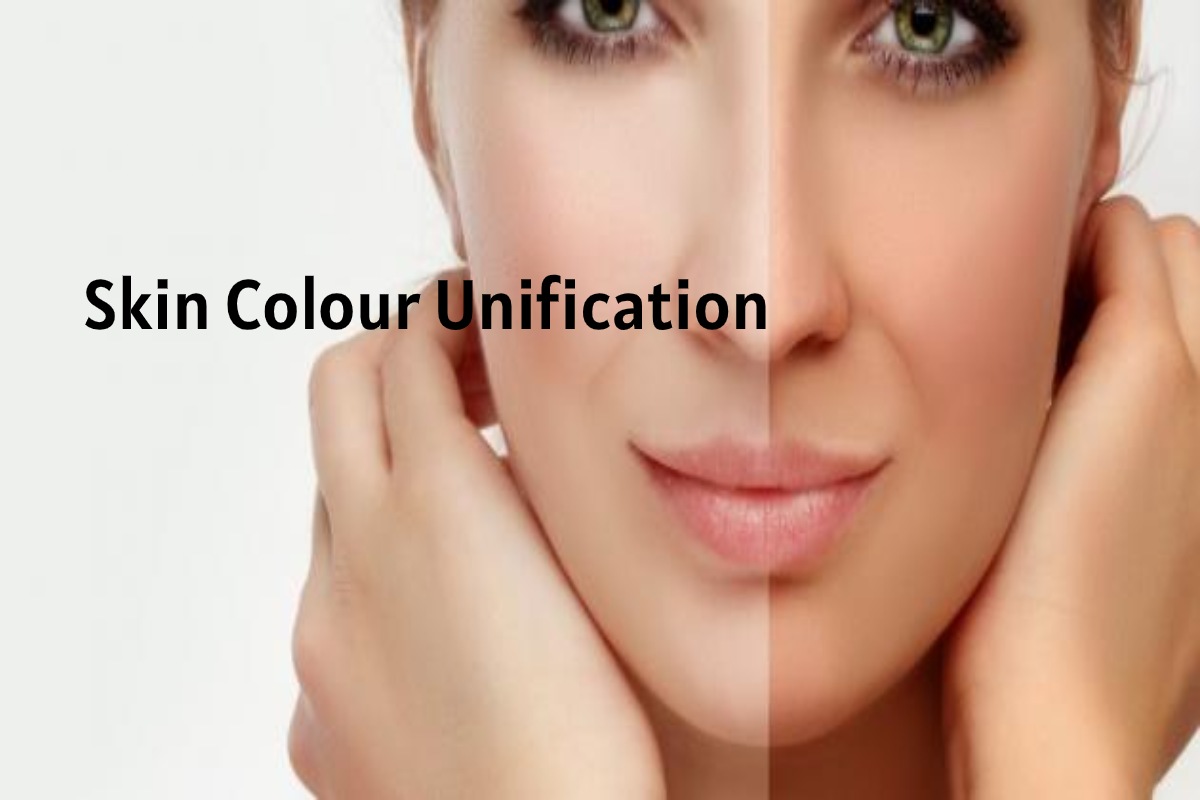
Skin colour unification is a common skincare goal for people who want a more even and healthy-looking complexion. The skin can develop areas of uneven pigmentation or changes in colour for many reasons, including prolonged sun exposure, ageing, hormonal fluctuations, inflammation, acne, and certain medications.
Although some differences in skin tone are completely normal, persistent dark spots, uneven pigmentation, or dull-looking areas may affect the overall appearance of the complexion. A consistent skincare routine, healthy lifestyle, sun protection, and appropriate professional treatments can help improve the appearance of uneven skin tone.
So, what are the most effective ways to help unify skin colour? Here are some important approaches to consider.
Unifying Skin Colour with Food
A balanced diet can support overall skin health, although food alone cannot remove pigmentation or dramatically change your natural skin colour. Eating a variety of nutrient-rich foods can provide vitamins, minerals, antioxidants, and healthy fats that support normal skin function.
Adequate hydration is also important. Drinking enough water throughout the day can help prevent dehydration, which may make the skin appear dry, dull, or rough. However, individual water requirements vary depending on factors such as activity level, climate, and overall health.
Eat More Nutrient-Rich Foods
Foods containing vitamin C and other antioxidants can be useful additions to a balanced diet. Good sources of vitamin C include:
- Oranges and other citrus fruits.
- Bell peppers.
Niacin, also known as vitamin B3, is another nutrient involved in maintaining healthy skin. Foods containing niacin include tuna, poultry, peas, mushrooms, and other protein-rich foods.
Rather than relying on supplements unnecessarily, it is generally better to obtain nutrients from a varied diet unless a healthcare professional recommends supplementation.
Limit Certain Foods and Drinks
Some dietary habits can affect general health and may indirectly influence the appearance of the skin. Instead of completely eliminating particular foods, focus on moderation and a balanced diet.
It can be helpful to limit:
- Excessive alcohol.
- Highly processed foods.
- Foods and drinks high in added sugar.
- Excessively fatty or heavily fried foods.
There is no strong evidence that everyone needs to eliminate spicy foods or dairy products specifically to achieve an even skin tone. Dietary changes should therefore be based on individual tolerance and nutritional needs.
Standardise Skin Colour with Acids
Certain skincare acids can improve the appearance of uneven skin tone by exfoliating dead skin cells or addressing specific pigmentation concerns. They should be introduced gradually because excessive exfoliation can irritate the skin and potentially make pigmentation worse.
Salicylic Acid
Salicylic acid is a beta hydroxy acid commonly found in skincare products. It helps exfoliate the skin and is particularly useful for people who also experience clogged pores and acne.
By helping remove dead skin cells and excess oil, salicylic acid can make the complexion appear smoother and more even over time.
Kojic Acid
Kojic acid is used in some cosmetic products designed to improve the appearance of hyperpigmentation. It works by interfering with melanin production and may gradually reduce the appearance of some dark spots.
Because it can cause irritation in some people, it is important to follow product instructions and use sun protection consistently.
Glycolic Acid
Glycolic acid is an alpha hydroxy acid that exfoliates the surface of the skin. Regular, appropriate use can improve skin texture and help reduce the appearance of uneven pigmentation, post-acne marks, and dullness.
Those with sensitive skin should start with lower concentrations and avoid combining too many exfoliating products at once.
Standardise Skin Colour with Natural Ingredients
Natural ingredients are often used in homemade skincare recipes, but they should be approached carefully. Not every natural ingredient is suitable for facial skin, and irritation can sometimes worsen pigmentation.
For a more comprehensive skincare approach, you can explore the art of elevated skincare for additional ideas on creating a consistent routine.
Milk and Baking Soda Mask
Milk contains lactic acid, which has exfoliating properties. However, baking soda is alkaline and can disrupt the skin barrier, particularly when used frequently or in high concentrations.
If you still choose to experiment with a homemade mask, use caution and perform a patch test first.
Mix two tablespoons of milk with a small amount of flour to create a paste. Avoid using excessive baking soda, and do not leave the mixture on the face for a prolonged period. Rinse gently and apply a suitable moisturiser afterwards.
Stop using the mixture if you experience burning, redness, or irritation.
Lemon, Sugar and Coconut Oil
Lemon juice is sometimes promoted as a natural remedy for dark spots, while sugar is used as a physical exfoliant. However, applying undiluted lemon juice to the skin can cause irritation and may increase sensitivity to sunlight.
For this reason, lemon-based facial scrubs are not recommended as a reliable treatment for pigmentation. Physical scrubbing can also damage the skin barrier when performed aggressively.
A gentle exfoliating product formulated specifically for facial skin is generally a safer option.
Turmeric and Yoghurt Mask
Turmeric has traditionally been used in skincare because of its antioxidant and anti-inflammatory properties. Yoghurt contains lactic acid, which can provide mild exfoliation.
To make a simple mask, mix a tablespoon of plain yoghurt with a small amount of turmeric. Apply a thin layer to the face and leave it on for several minutes before rinsing thoroughly.
Avoid adding lemon juice if you have sensitive skin. Turmeric can also temporarily stain the skin, so use only a small amount.
Medical Treatments for Skin Colour Unification
When pigmentation is persistent or severe, a dermatologist can assess its underlying cause and recommend an appropriate treatment. Options may include topical prescription treatments, chemical peels, or certain laser and light-based procedures.
Laser Treatments
Different types of laser treatments can target particular pigmentation concerns. However, laser procedures are not suitable for everyone. Some people, particularly those with darker skin tones, may develop temporary or persistent changes in pigmentation following certain procedures.
For this reason, laser treatment should only be performed after a professional skin assessment.
Superficial Peels
Superficial chemical peels use controlled exfoliation to remove damaged outer skin cells. Depending on the ingredients and concentration, they may help improve the appearance of uneven pigmentation, rough texture, and dullness.
Medical Chemical Peels
Chemical peels are available at different strengths and should be selected according to the individual’s skin type and concern. A qualified professional can determine which type of peel is appropriate and how frequently it should be performed.
Attempting strong chemical peels at home can cause burns, irritation, scarring, and worsening pigmentation.
The Importance of Sunscreen
Sunscreen is one of the most important parts of any routine aimed at improving uneven skin tone. Ultraviolet radiation can stimulate melanin production and make existing pigmentation more noticeable.
Apply a broad-spectrum sunscreen during the day and reapply it as recommended, particularly when spending extended periods outdoors. Hats, shade, and protective clothing can provide additional protection.
Other Ways to Support an Even Complexion
A consistent skincare routine is more useful than repeatedly switching between homemade remedies. Gentle cleansing, regular moisturisation, appropriate exfoliation, and daily sun protection can help maintain the skin barrier.
If your complexion looks tired or lacks radiance, understanding the causes of dull skin syndrome may also help you choose more appropriate skincare habits.
Moisturising is equally important when working with exfoliating ingredients. Rich moisturising ingredients may help dry skin feel softer, although they should be selected according to your skin type. You can also read about the other benefits of margarine for the face for information about traditional moisturising uses.
Remember that skincare should not be limited to the face. Dry, uneven-looking areas elsewhere on the body may also benefit from consistent moisturisation. For example, this guide to cracked heels discusses ways to care for particularly dry skin.
Conclusion
Skin colour unification is best approached gradually and realistically. A balanced diet, adequate hydration, gentle skincare, suitable exfoliation, and consistent sun protection can help maintain a healthier and more even-looking complexion.
Ingredients such as salicylic acid, glycolic acid, and kojic acid may be useful for specific concerns when used correctly. Homemade recipes should be approached cautiously, especially when they contain potentially irritating ingredients such as lemon juice or baking soda.
If pigmentation is persistent, rapidly changing, or difficult to manage, consulting a dermatologist is the safest approach. A professional can identify the underlying cause and recommend treatments suited to your skin type and individual needs.