
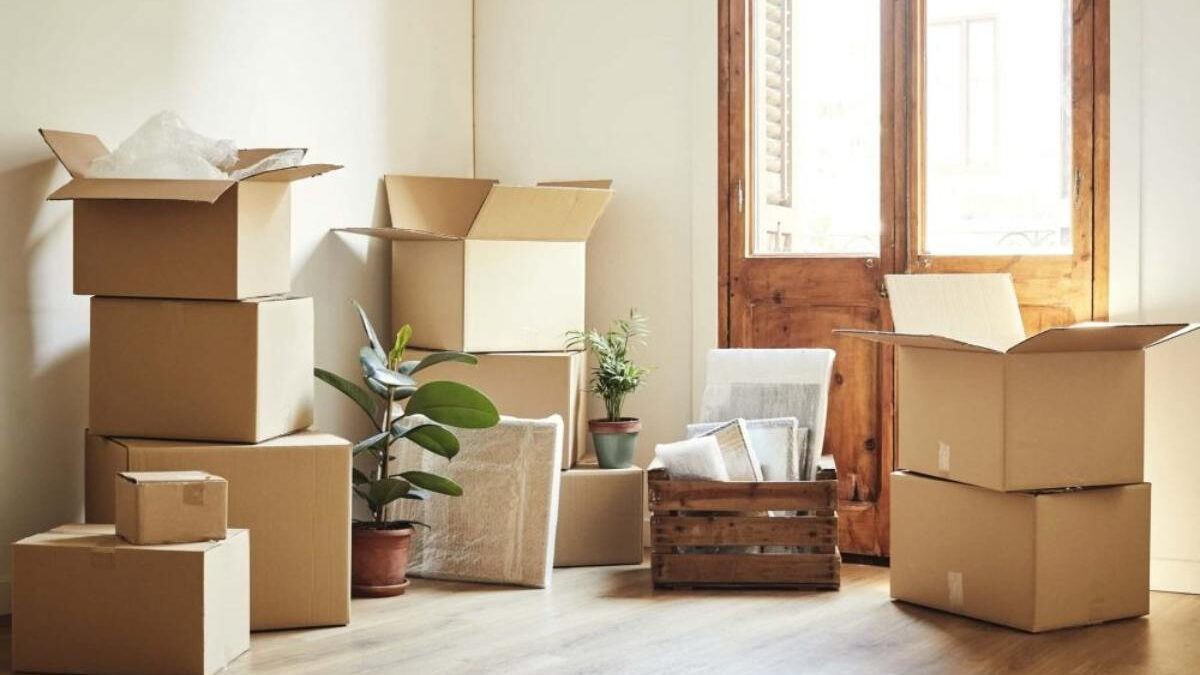
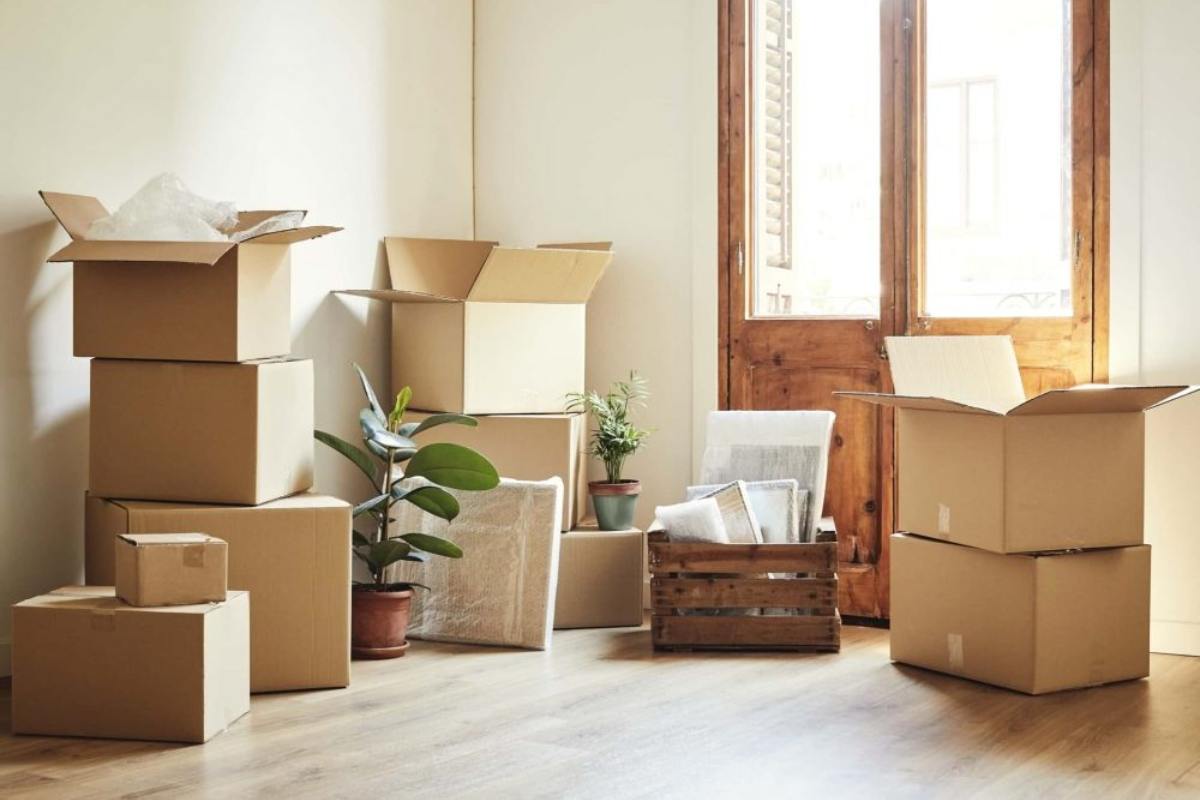
Moving to a new home can be exciting, but the day itself can quickly become tiring and chaotic. Between packing the final boxes, organizing transport, and making sure nothing gets left behind, there is plenty to manage. Fortunately, a little preparation can make moving day considerably easier. Here are some simple ways to keep the process organized and reduce unnecessary stress.
Table of Contents
Start Preparing Early
Leaving everything until the final few days is one of the easiest ways to make a move feel overwhelming. Start packing items you rarely use several weeks beforehand, such as seasonal clothing, books, decorations and spare kitchen equipment. Creating a simple schedule can also help. You can then divide larger jobs into smaller tasks and assign them to particular days. By the time moving day arrives, most of the work should already be complete.
Declutter Before Packing
There is little benefit in spending time and money moving possessions you no longer want. Before filling boxes, go through each room and decide what you genuinely need in your new home.
Items in good condition can be sold or donated, while anything unusable can be recycled or disposed of responsibly. Reducing the amount you need to transport means fewer boxes to pack, carry and eventually unpack.
Organize Transport in Advance
Transport should be arranged well before moving day, particularly when relocating a long distance or moving bulky furniture. Research your options, consider the size of your move and make sure you understand what is included in the service.
Online platforms such as Shiply shipping services can be useful when exploring ways to transport furniture, boxes and other belongings. Sorting out these arrangements early gives you one less major task to worry about as the moving date approaches.
Label Every Box Clearly
Clear labeling can save considerable time at both ends of the move. Write the destination room on each box and include a brief description of its contents. Labels such as “Kitchen – plates and glasses” are much more helpful than simply writing “Kitchen.” Just make sure to mark boxes containing fragile items prominently so that everyone involved in the move knows to handle them carefully.
Keep Essentials Separate
Pack a bag or box containing everything you will need during the first evening and following morning. This might include toiletries, medication, phone chargers, clean clothes, basic cleaning supplies, snacks, and important documents.
Keep this box with you rather than loading it somewhere difficult to reach. After a long moving day, you will appreciate not having to search through several boxes just to find your toothbrush or charger.
Give Yourself Extra Time
Even a carefully planned move can involve unexpected delays. Furniture may take longer to load than expected, traffic can cause problems, or keys may not be available at precisely the planned time. Build some flexibility into your schedule instead of planning every stage too tightly. Having additional time available can prevent a minor delay from becoming a major source of stress.
Focus on Settling In Gradually
Once everything has arrived, resist the temptation to unpack the entire house immediately. Start with the essentials and the rooms you need most, such as the bedroom, bathroom, and kitchen.
Moving day does not need to end with a perfectly organized home. Taking a steady, organized approach allows you to settle into your new surroundings without turning an already busy day into an exhausting one.