
Table of Contents
Introduction
Does sunscreen cause the skin to darken? What other effects can sunscreen have on the skin? These are common questions, especially among people who use sunscreen regularly but notice changes in their skin tone.
Sunscreen offers many important benefits for the skin, particularly by helping protect it from ultraviolet (UV) radiation. However, incorrect use, unsuitable products, or failing to follow application instructions can reduce its effectiveness and may contribute to skin problems.
The skin is the body’s largest organ. It helps regulate body temperature, protects the body from external damage, and acts as a barrier against infection. Nerves in the skin also allow us to sense cold, heat, pain, pressure, and touch. Because sunscreen is applied directly to the skin, choosing an appropriate product and using it correctly is important.
As part of a consistent skincare routine, sunscreen should be applied generously to exposed areas of skin. Ideally, apply it before going outdoors and follow the product’s instructions for reapplication. If you swim, sweat heavily, dry yourself with a towel, or otherwise remove the product, reapply it as directed.
How Does Sunscreen Affect the Skin?
Does sunscreen cause skin to darken? In most cases, sunscreen is designed to help protect the skin from UV radiation that can contribute to tanning, sunburn, pigmentation, premature ageing, and other forms of sun damage.
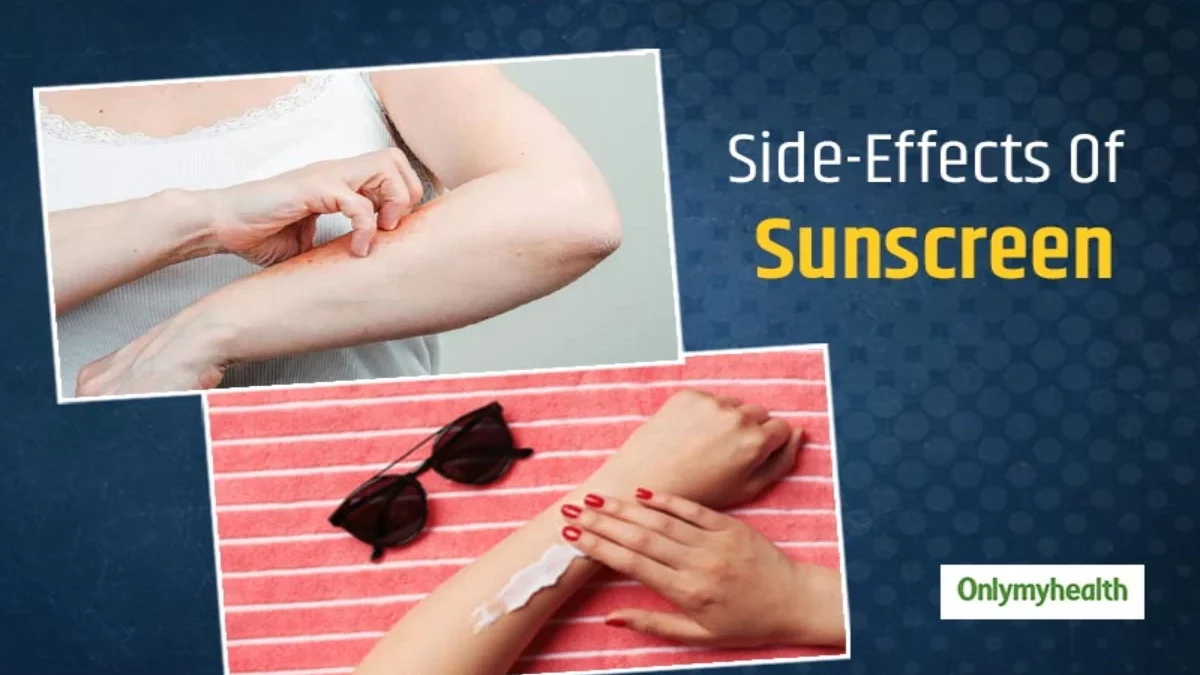
However, different sunscreen formulations contain different ingredients, and some people may experience irritation or sensitivity to particular ingredients. If a sunscreen causes redness, itching, burning, or other irritation, discontinue use and consider speaking with a dermatologist or healthcare professional.
Skin-Irritating Ingredients
Some sunscreen formulations may contain ingredients that irritate sensitive skin. Irritation can sometimes leave the skin looking temporarily darker or uneven, particularly in people prone to post-inflammatory pigmentation.
For people with sensitive skin, choosing a gentle, suitable sunscreen and testing new products carefully may be helpful. You can learn more about sensitive skin and the factors that can affect it.
Mineral sunscreens containing ingredients such as zinc oxide or titanium dioxide are often considered options for people who find certain chemical sunscreen formulations irritating.
Hormonally Active Ingredients
Some sunscreen ingredients have been investigated for potential hormonal activity, but this does not mean that sunscreen routinely causes hormonal skin darkening. Claims that ingredients such as oxybenzone directly cause tanning should be treated cautiously.
If you are concerned about a particular ingredient, check the product label and speak with a qualified healthcare professional rather than stopping sun protection altogether.
Does Sunscreen Treat or Prevent Skin Pigmentation?
Sunscreen does not directly remove existing pigmentation, but regular use can help prevent further UV-related pigmentation and protect the skin while other pigmentation treatments are being used.
Daily sun protection is particularly important for people who are prone to dark spots or uneven skin tone. UV exposure can contribute to pigmentation and premature signs of ageing, so reducing exposure is an important part of maintaining healthier-looking skin.
Sunscreen also helps protect against sunburn and reduces cumulative UV exposure, which is associated with an increased risk of skin cancer.
Your skin’s needs can change according to environmental conditions and the time of year. Following appropriate seasonal skin care practices can help you maintain sun protection and other skincare habits throughout the year.
Common Sunscreen Mistakes That Can Cause Skin Problems
Now that we have addressed the question of whether sunscreen causes skin to darken, it is also important to understand common application mistakes. Incorrect use can reduce the level of protection you receive.
Not Applying Sunscreen Before Sun Exposure
Sunscreen should generally be applied before going outdoors, following the product’s instructions. Many sunscreen products require application around 15 minutes before sun exposure to allow adequate coverage.
Applying sunscreen immediately before prolonged sun exposure may make it easier to miss areas or fail to achieve the intended level of protection.
Not Applying Enough Sunscreen
Using too little sunscreen significantly reduces the protection provided by the product. A common recommendation for exposed adult skin is approximately one ounce, or enough to fill a shot glass, for the whole body.
For the face and neck, use an adequate amount according to the product’s directions rather than applying only a small dab. Reapply as recommended, particularly after swimming, sweating, or towel drying.
Missing Important Areas of the Face
Sunscreen should be applied evenly to all exposed areas of the face and body. People sometimes forget areas such as the ears, hairline, neck, and around the eyes.
Take care when applying sunscreen near the eyes to avoid getting it directly into the eyes. The lips also need protection, so consider using a lip balm with appropriate SPF.
Failing to Reapply Sunscreen
Applying sunscreen once in the morning may not provide protection throughout the entire day. Reapplication is particularly important when spending extended periods outdoors.
Follow the product instructions and generally reapply at least every two hours when outdoors, as well as after swimming, sweating, or towel drying. Even products labelled water-resistant have limits and need to be reapplied.
Uneven Distribution
Uneven sunscreen application can leave parts of the skin inadequately protected. Make sure the product is spread evenly over all exposed areas before going outside.
Missing small areas repeatedly can result in uneven sun exposure, potentially contributing to tanning, sunburn, and pigmentation.
Not Wearing Sunscreen on Cloudy Days
Cloudy weather does not mean that UV exposure disappears. UV radiation can still reach the skin on cloudy days, so sunscreen should remain part of your daily routine when exposed skin will be outdoors.
This is particularly important when spending extended periods outside, regardless of whether the weather feels hot or sunny.
Using Expired Sunscreen
Sunscreen can become less effective after its expiry date or if it has been stored incorrectly. Always check the expiry date and follow the manufacturer’s storage instructions.
If the product has changed in colour, texture, smell, or consistency, it may be better to replace it even if the expiry date has not yet passed.
Sunscreen and Seasonal Skincare
Sunscreen should not only be used during summer. UV exposure occurs throughout the year, and winter skincare should also include appropriate sun protection. Combining sunscreen with suitable moisturising and cleansing habits can help support the skin during changing weather conditions.
For additional winter skincare advice, see these winter skincare essentials.
It is also worth avoiding common skincare mistakes that may undermine your efforts. Habits such as skipping sun protection, failing to cleanse properly, over-exfoliating, or using too many products can affect the condition of your skin. Learn more about bad habits that can stop you from having amazing skin.
Conclusion
Sunscreen is an important part of protecting the skin from UV radiation. While some people may experience irritation or sensitivity to particular formulations, sunscreen itself is not generally intended to darken the skin. In fact, consistent and correct sunscreen use can help reduce UV-related tanning, sunburn, pigmentation, premature ageing, and other forms of sun damage.
Choose a sunscreen that suits your skin, apply enough product to exposed areas, reapply as directed, and continue using it even when the weather is cloudy. If you have persistent pigmentation, irritation, or another skin concern, consult a dermatologist for personalised advice.
For those exploring different skincare approaches and products, Nova Skin can provide additional information to consider as part of your overall skincare routine.