Table of Contents
Introduction
Ways to Store Food for Certain Items, Proper storage of food is essential to maintain your body’s health. Food quality and balanced nutrition are important considerations when learning about nutrigenomics, which explores how genes and nutrients interact.
However, when you store foods incorrectly, they lose their nutritional validity and value, may cause you intoxication, or give you a sour taste, which wastes your efforts preparing them and your money. To learn how best to store food for some of them.
Choosing fresh, quality ingredients is an important part of preparing nutritious meals. Learn more about the benefits and considerations of eating organic when selecting food for your kitchen.
Along with storing food safely, it is important to choose a varied diet that supplies essential nutrients. Learn about the risks associated with calcium-free foods and the importance of adequate calcium intake.
Flour
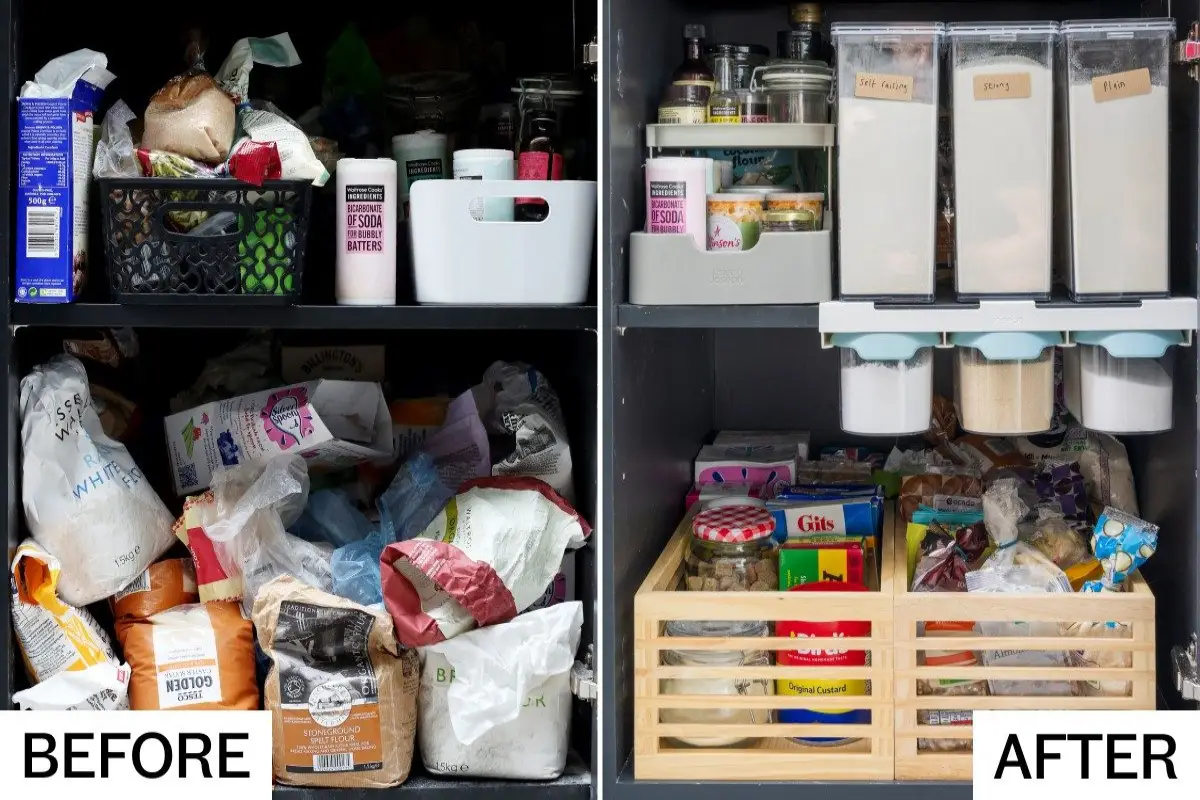
Don’t throw the flour bag in the store or kitchen cabinet. Instead, keep it at room temperature, and don’t mix it with the old flour. It won’t keep it long and will make it an insect attraction.
when buying flour, you should store it in the next step:
Place the flour bag in the freezer for 48 hours to eliminate the insect eggs.
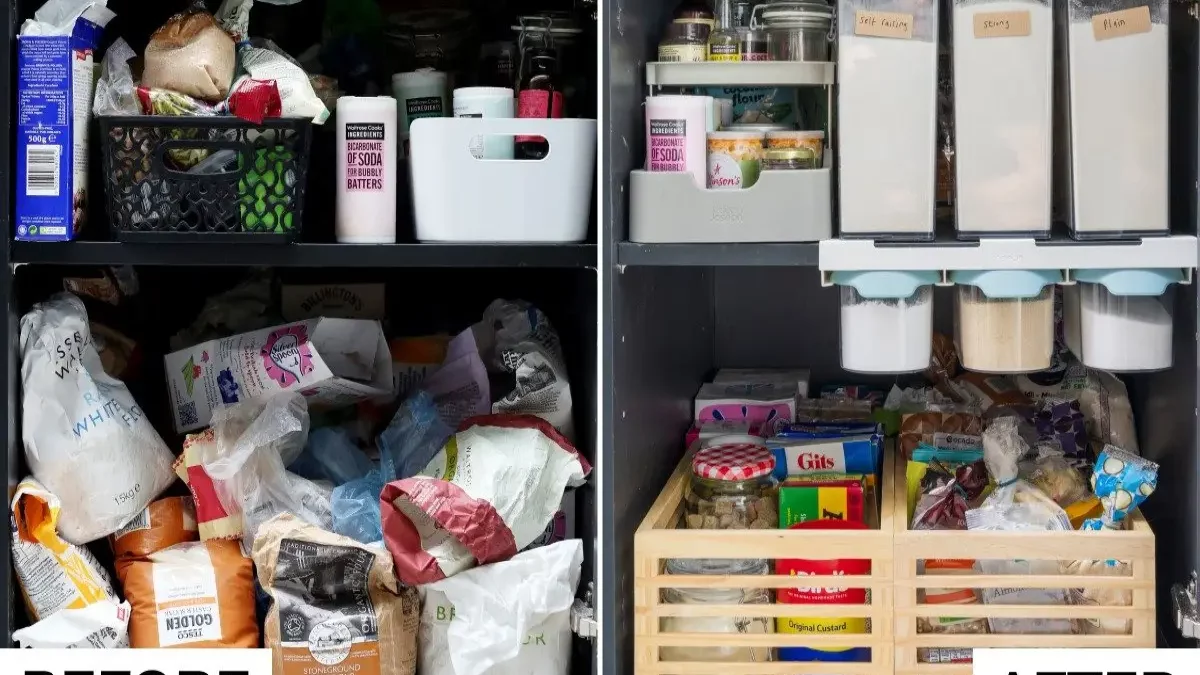
Empty the bag’s content in a glass or plastic container and close it tightly to prevent moisture from passing on to it or other flavours.
Store in a cool, dry room and away from the sun.
You should note that it is usually the perfect place to store flour and increase its shelf life for more than six months refrigerator or freezer.
Bread
If you’re putting bread in the fridge, know that you don’t follow the way food is stored for this item. Instead, you indeed follow the following steps:
Place the bread on the table for 10 minutes to prevent it from drying out, so make sure the bread is ventilated after you buy it, and don’t wrap it directly because it contributes to its teeming and gives you a sour taste.
Place the bread in plastic or paper bags to protect it from moisture, and place it in the freezer.
You should avoid heating the bread as soon as it comes out of the freezer and wait until the ice layer melts because you will get wet bread.
Potatoes
When storing potato-type food, consider the tips and guidelines to increase its validity:
Remove rotten potatoes or dark brown patches that can cause rot for others.
Avoid storing potatoes in the fridge, and cooling can make them taste sweet, change colour or become more coarse.
Potatoes are not stored near direct sunlight or over the oven, stimulating the growth of toxic and dangerous compounds for your health.
Dry the potatoes before placing them in storage if you wash them.
Do not store potatoes near storage places for garlic and onions, which stimulates fermentation and changes colour.
Store potatoes in a dark place away from the light.
Basil
Basil may be used for its scent and flavor with food, but you may be disturbed by its rapid damage due to the wrong way to save it, There are different ways to Store Food for Certain Items, so we will give you set of instructions for storing food for this item:
Don’t put basil once you buy it. The cold temperature destroys sensitive basil leaves and makes them melt and dry a day or two after purchase.
Store fresh basil in a wet and cold place, and you can wrap the trunks in a damp paper towel, place them in a sealable plastic bag and store them in the refrigerator door.
Pen the basil stalks, then place them in a water bowl and leave them on one of the sun-drenched windows.
Ground Coffee
Ground coffee should be stored in a tightly closed box, as it is absorbable to moisture and other flavours, affecting its taste.
It is preferable to keep coffee at a temperature similar to the room. When stored in the refrigerator, you will take it out and return it, which undergoes a sudden temperature change, affecting the flavour.
Food storage is one part of building consistent dietary habits, and some people also explore eating schedules such as intermittent fasting. Read about the benefits of intermittent fasting to learn more.
Nuts
Almonds, cashews, walnuts and other expensive nuts, so pay attention to how food is stored of these types.
Otherwise, you’ll have to lob it in the garbage. However, if you keep it correctly, follow the following tips:
Place the nuts in a closed bag and leave them in the fridge. Making them edible for a year or more.
Don’t store nuts at room temperature, making them taste sour.
Once your ingredients are stored properly, planning meals ahead can make healthy eating more convenient. Try these high-protein meal prep ideas for inspiration.
Garlic and Onions
Food from garlic, onions and leeks should be stored in a dry and warm place, placed in a vegetable cabinet with mesh baskets.
If you enjoy exploring different garlic varieties, discover more about the flavour and potential benefits of black garlic.
Avoid keeping them in the fridge because exposing them to low temperatures or a place where humidity increases can rot.