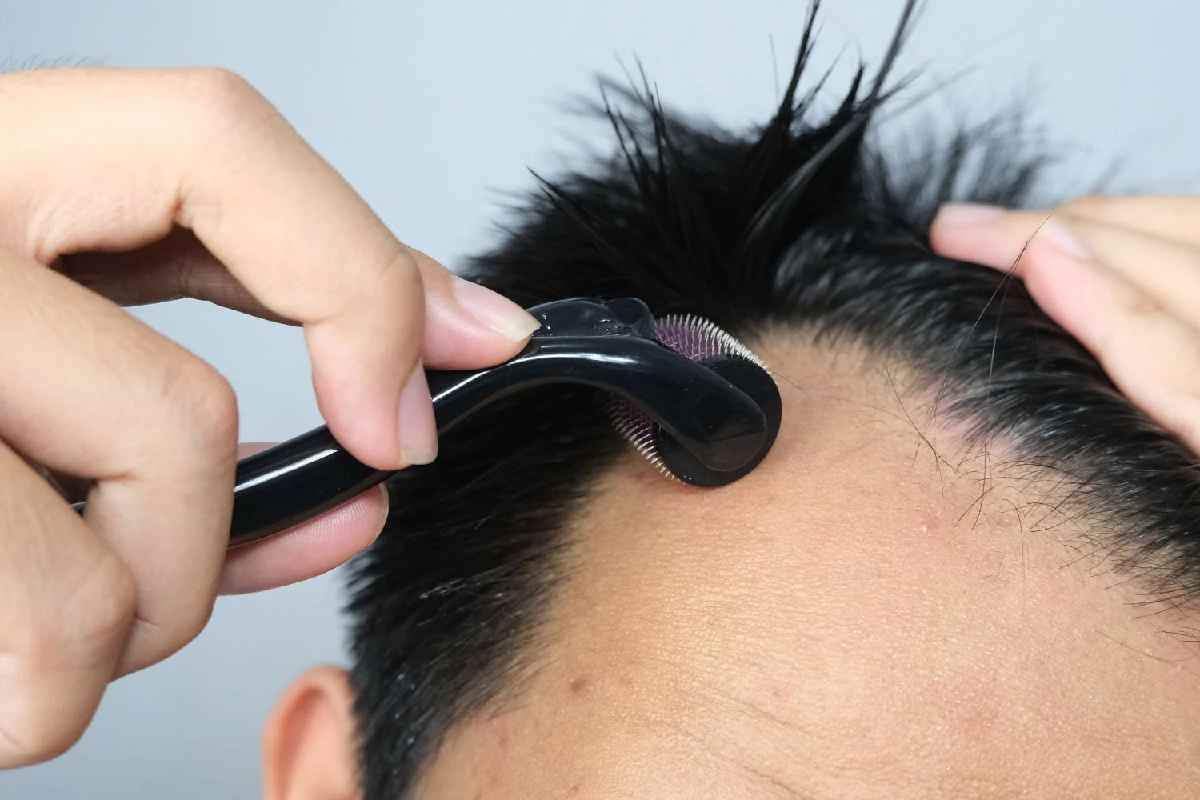
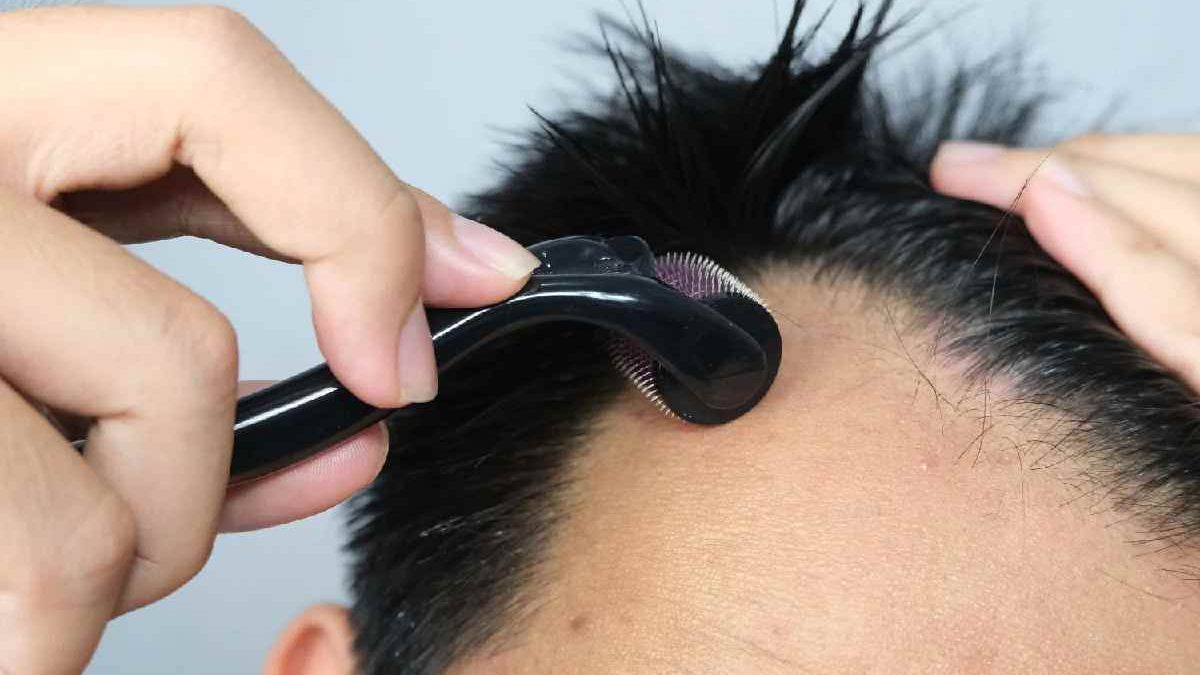
A derma roller is a handheld skincare device covered with many tiny needles. When carefully rolled over the skin, these needles create controlled micro-injuries. This process is commonly known as microneedling and is designed to stimulate the body’s natural healing response.
As the skin repairs itself, it may produce more collagen and elastin. Collagen helps support skin structure and firmness, while elastin helps the skin maintain its shape. Because of this process, derma rollers have become popular among people looking to improve the appearance and texture of their skin.
However, at-home derma rolling is not suitable for everyone, and professional microneedling performed by a qualified practitioner may be safer and more effective for certain concerns.
Table of Contents
How Does a Derma Roller Work?
When the tiny needles pass over the skin, they create microscopic punctures. These controlled injuries activate the body’s wound-healing process, which can encourage collagen and elastin production.
Over time, increased collagen activity may help improve the appearance of uneven skin texture, fine lines and certain types of acne scarring. The results are generally gradual rather than immediate, and several treatments may be needed depending on the concern being addressed.
After microneedling, the skin can temporarily appear red or feel sensitive. Proper aftercare is therefore important.
Benefits of Using a Derma Roller
Derma rollers and professional microneedling treatments may be used for several cosmetic skin concerns.
Acne Scars
Microneedling may improve the appearance of some acne scars by stimulating collagen production and helping remodel uneven areas of the skin. It is generally more suitable for certain depressed acne scars than for active, inflamed acne.
Before using a derma roller, it is also worth maintaining a gentle skincare routine. For example, natural skincare options such as a turmeric mask may be included in a broader skincare routine, although they should not be applied immediately after microneedling.
Wrinkles and Fine Lines
Collagen production naturally decreases with age, which can contribute to fine lines and loss of firmness. Microneedling may encourage new collagen formation and gradually improve the appearance of fine lines and skin texture.
Stretch Marks
Stretch marks develop when the skin stretches rapidly, causing changes in the deeper layers of the skin. Microneedling may help stimulate collagen and improve the appearance and texture of some stretch marks.
Hair Growth
Microneedling has also been investigated as a treatment that may support hair growth. The process creates tiny channels in the scalp and may influence blood flow and growth-related pathways. However, evidence for home derma rollers is more limited than evidence for professionally performed microneedling, so people experiencing hair loss should speak with a dermatologist.
Uneven Skin Tone and Pigmentation
Microneedling may help improve certain pigmentation and texture concerns. However, people with melasma or darker skin tones should be particularly cautious because inflammation or injury can sometimes worsen pigmentation.
How to Use a Derma Roller?
If you are using an at-home device, always follow the manufacturer’s instructions and use a device specifically designed for home use.
A basic routine may include:
- Cleanse your face gently and allow the skin to dry.
- Clean and disinfect the device according to the manufacturer’s instructions.
- Use light pressure and avoid repeatedly rolling over the same area.
- Do not use the roller over active acne, wounds, infections or irritated skin.
- After treatment, use only gentle skincare products recommended for post-treatment skin.
- Clean and store the device according to the manufacturer’s instructions.
Avoid applying potentially irritating products immediately after microneedling. The skin barrier is temporarily compromised, making it more sensitive than usual.
People interested in professional cosmetic procedures should also understand the differences between microneedling and treatments such as laser treatment, as each procedure works differently and has its own benefits and risks.
How Often Should You Use a Derma Roller?
The appropriate frequency depends on the needle length, treatment area, skin condition and type of device being used. Longer needles can cause deeper injuries and should generally be handled by trained professionals.
Rather than following a fixed weekly schedule, allow the skin to recover fully and follow the manufacturer’s directions. More frequent treatment does not necessarily produce faster results and may increase irritation, inflammation or the risk of scarring.
Precautions When Using a Derma Roller
Safety is particularly important when using any device that punctures the skin. Keep the following precautions in mind:
- Do not use a derma roller on infected, irritated, sunburned or broken skin.
- Avoid areas recently treated with laser procedures or chemical peels until the skin has completely recovered.
- Never share a derma roller with another person.
- Follow the manufacturer’s cleaning and disinfection instructions carefully.
- Replace the device when the needles become damaged, dull or contaminated.
- Store the device in a clean, dry and protected location.
- Avoid using strong acids, retinoids or other irritating skincare products immediately after treatment unless advised by a professional.
For particularly sensitive areas, such as the skin around the eyes, extra caution is necessary. Understanding how to care for the delicate zone can also help when developing a gentle skincare routine.
Risks of Using Derma Rollers
Although microneedling can be beneficial for certain cosmetic concerns, it is not completely risk-free.
Skin Irritation
Temporary redness, swelling, sensitivity, dryness or itching can occur after treatment. These effects should normally settle as the skin recovers.
Infection
Because derma rollers break the skin, poor hygiene can introduce bacteria and increase the risk of infection. Cleaning alone may not make a reusable device sterile, so manufacturer instructions should always be followed.
Scarring and Pigmentation
Improper technique, excessive pressure or overly frequent treatment may increase the risk of scarring or changes in pigmentation. People who develop raised scars easily should consult a dermatologist before considering microneedling.
Derma Rollers for Hair Growth
Microneedling has attracted attention as a potential treatment for certain forms of hair loss. Some research suggests that microneedling may work as an additional treatment alongside established hair-loss therapies, but evidence for unsupervised home derma rolling remains limited.
Anyone experiencing significant or unexplained hair loss should consult a dermatologist before starting treatment. A professional can identify the underlying cause and determine whether microneedling is appropriate.
If a dermatologist approves microneedling, they can also recommend an appropriate needle depth and treatment schedule rather than relying on a one-size-fits-all approach.
Additional Skincare Tips
A healthy skin routine should focus on cleansing, moisturising and protecting the skin from excessive sun exposure. After microneedling, gentle products are generally preferable while the skin barrier recovers.
For a relaxing self-care routine, derma rolling can be considered separately from other home treatments. A home spa routine can include simple activities such as relaxation, gentle skincare and moisturising without unnecessarily irritating freshly treated skin.
Beauty routines can also extend beyond skincare. For example, stylish Instagram khafif mehndi designs can complement a broader beauty and self-care routine, while beauty-related accessories and personal style can help create a complete look.
Final Thoughts
Derma rollers and microneedling can potentially improve the appearance of acne scars, fine lines, stretch marks and uneven skin texture by stimulating the body’s natural healing response. However, the treatment requires careful technique and hygiene because the needles intentionally break the skin.
At-home devices should be used cautiously, and deeper microneedling is best left to qualified professionals. If you have sensitive skin, active acne, pigmentation concerns, a history of scarring or unexplained hair loss, speak with a dermatologist before treatment.
Ultimately, consistent skincare, appropriate professional advice and realistic expectations are more important than using a derma roller frequently. A balanced beauty routine can also include other aspects of personal care, from skincare to accessories such as the deeper meaning behind today’s diamond rings.