Table of Contents
Definition
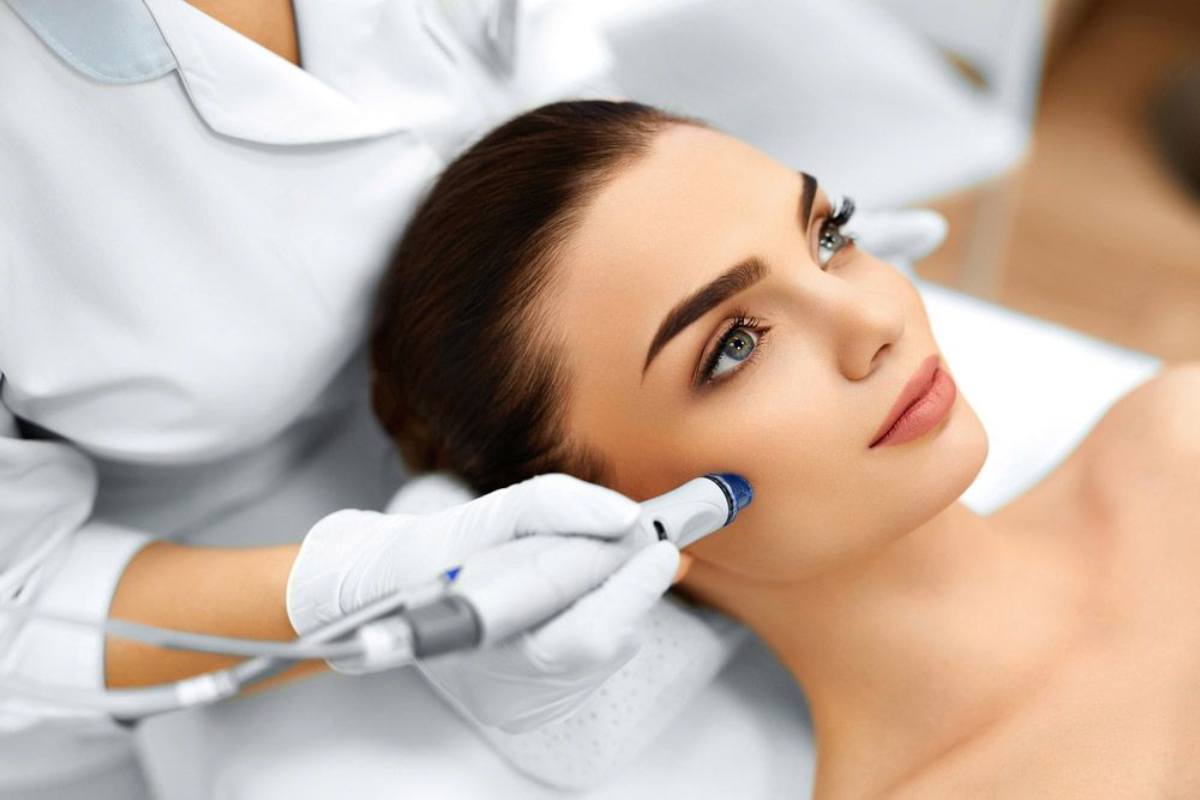
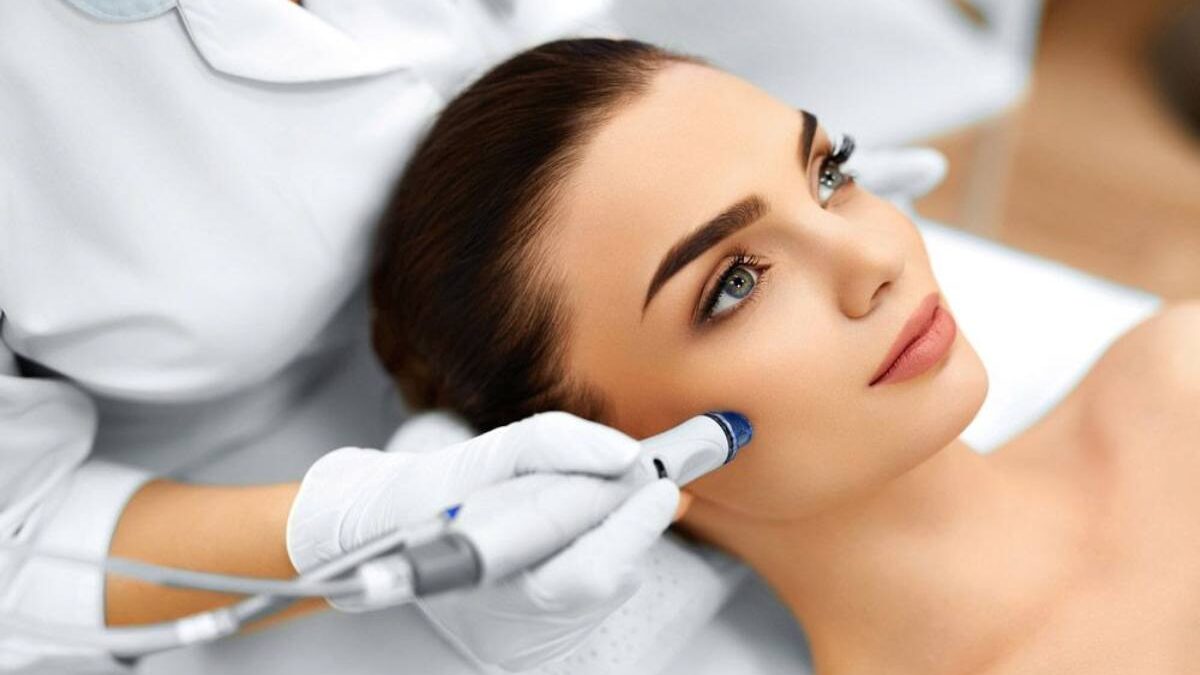
Laser treatment uses concentrated beams of light to target specific tissues or structures in the body. Because laser energy can be delivered with a high degree of precision, healthcare professionals can treat selected areas while limiting damage to surrounding tissue.
Lasers are used for many medical and cosmetic purposes, including treating certain skin conditions, reducing pigmentation, improving scars and wrinkles, removing tattoos and addressing unwanted hair.
Although laser procedures can be less invasive than traditional surgery in some situations, they are not completely risk-free. Depending on the procedure, possible side effects can include redness, swelling, pain, infection, changes in pigmentation and scarring. Recovery time varies considerably according to the type of laser, treatment intensity and area being treated.
Types of Laser
Several types of lasers are used in dermatology and cosmetic medicine. Common examples include:
- CO2 laser: An ablative laser commonly used for skin resurfacing, scars, wrinkles and certain skin growths.
- Erbium:YAG laser: Another ablative laser that can be used for skin resurfacing and selected dermatological treatments.
- Hybrid lasers: These combine different laser technologies or wavelengths to address multiple skin concerns.
- Pico lasers: These use extremely short pulses of energy and are commonly used for pigmentation and tattoo removal.
The appropriate laser depends on the patient’s skin type, condition, treatment goals and medical history.
Pico Laser Treatment
Pico lasers have become increasingly popular for treating pigmentation and other cosmetic skin concerns. Instead of relying primarily on prolonged heat exposure, pico lasers deliver energy in extremely short pulses.
The energy can break down pigment particles into smaller fragments that the body can gradually clear. Because the pulses are very short, there may be less unwanted thermal damage to surrounding tissue compared with some other laser technologies.
However, pico lasers are not automatically suitable for every skin tone or condition. People with darker skin may have a higher risk of post-inflammatory hyperpigmentation after some laser procedures, so treatment settings should be selected carefully by an experienced professional.
What Can Pico Lasers Treat?
Depending on the specific device and clinical indication, pico laser treatments may be used for:
- Sun-related pigmentation.
- Dark spots.
- Certain pigmented scars.
- Some forms of melasma.
- Selected acne scars.
- Stretch marks in certain circumstances.
- Tattoo removal.
Treatment can be performed on different areas of the body, depending on the device and the condition being treated.
Advantages of Pico Lasers
Pico laser technology has several potential advantages when appropriately selected for a patient.
Suitable for Different Skin Types With Proper Assessment
Pico laser technology can be used in people with a range of skin tones. However, treatment settings must be carefully adjusted, particularly for darker skin, to reduce the risk of unwanted pigmentation.
A qualified dermatologist or laser practitioner should assess the patient’s skin before treatment.
Short Energy Pulses
The ultra-short pulses allow energy to be delivered rapidly to the target. Depending on the treatment, this may help minimise unnecessary heat exposure to surrounding tissue.
Potentially Limited Downtime
Some pico laser treatments result in relatively little downtime compared with more aggressive ablative procedures. Temporary redness, swelling or sensitivity may still occur.
The exact recovery period depends on the treatment settings, the condition being treated and the individual’s skin.
Relatively Quick Procedures
Many laser procedures can be completed relatively quickly, although treatment time varies. Smaller areas may require only a short appointment, while larger or more complex treatments can take longer.
Is Pico Laser Treatment Right for Me?
Whether pico laser treatment is appropriate depends on your skin condition, goals, skin type and medical history.
It can be particularly useful when the primary concern involves pigmentation or tattoo ink. However, it may not be the best option for every type of wrinkle or skin texture problem.
Multiple sessions are often required to achieve the desired improvement. The number of treatments varies from person to person, and the interval between sessions should be determined by the treating professional based on the procedure and the patient’s recovery.
People with melasma should be particularly cautious because some forms of laser treatment can temporarily improve pigmentation but may also trigger recurrence or worsening if the treatment is not carefully selected.
CO2 Laser Treatment for Wrinkles and Scars
The CO2 laser is an ablative laser commonly used for skin resurfacing. It removes controlled amounts of the outer layers of the skin, stimulating the body’s wound-healing response.
As the skin heals, collagen production can increase, potentially improving the appearance of wrinkles, acne scars and other textural irregularities.
CO2 laser treatment is generally more intensive than many non-ablative laser procedures and can involve a longer recovery period. Temporary redness, swelling, peeling and sensitivity are common during the healing process.
Potential Benefits of CO2 Laser Treatment
Depending on the indication, CO2 laser resurfacing may:
- Improve the appearance of certain wrinkles.
- Reduce the appearance of some acne scars.
- Improve uneven skin texture.
- Treat selected skin growths or lesions.
- Stimulate collagen production.
- Produce longer-lasting improvement after appropriate treatment and recovery.
Because CO2 laser treatment is more aggressive than many other cosmetic procedures, professional assessment is particularly important.
Laser Treatment and Microneedling
Laser treatment is not the only procedure used to improve skin texture and appearance. Derma rollers and microneedling use controlled micro-injuries to stimulate the skin’s natural repair response.
Laser treatments and microneedling work through different mechanisms, and the most appropriate option depends on the patient’s skin condition and treatment goals. Combining procedures should only be considered under professional guidance because performing treatments too close together may increase irritation and other complications.
Benefits of Laser Treatment
Laser procedures can offer several advantages when appropriately selected.
Targeted Treatment
Laser energy can be directed toward specific areas or structures. This makes certain lasers useful for concerns such as individual pigmentation spots, scars or unwanted tattoo pigment.
Minimal Invasiveness for Some Procedures
Many laser procedures do not require traditional surgery or large incisions. Depending on the treatment, this can mean less disruption to the skin and a shorter recovery period.
However, ablative procedures such as CO2 resurfacing still intentionally remove or damage layers of skin and should not be considered risk-free.
Collagen Stimulation
Some laser treatments stimulate collagen production during the healing process. Increased collagen can help improve skin firmness and texture over time.
Treatment Flexibility
Different wavelengths and technologies allow healthcare professionals to select treatments according to the patient’s specific concerns. Some lasers are designed primarily for pigmentation, while others are better suited to vascular concerns, hair removal, resurfacing or tattoo removal.
Laser Treatment Around the Eyes
Extra care is necessary when treating areas close to the eyes because the surrounding skin is thin and sensitive.
The delicate zone around the eyes requires specialised care, and laser procedures in this area should only be performed by appropriately trained professionals using suitable protective equipment.
Patients should always disclose previous eye conditions, medications and cosmetic procedures during a consultation.
Laser Treatment and Skincare
Proper skincare before and after laser treatment can be important for supporting the skin barrier during recovery. The exact aftercare routine depends on the procedure.
Gentle cleansing, moisturising and appropriate sun protection are commonly recommended. Avoid introducing potentially irritating products without guidance from your practitioner while the skin is healing.
For people interested in simple home skincare, a turmeric mask may be part of a general beauty routine, but homemade masks should not be applied to freshly treated skin. Wait until the skin has completely recovered and follow your clinician’s aftercare instructions.
Other Beauty and Self-Care Practices
Laser treatment is one part of a broader approach to personal care. A relaxing home spa routine can complement everyday skincare, provided that irritating treatments are avoided while the skin is recovering from a procedure.
Beauty routines can also include personal styling and accessories. For example, stylish Instagram khafif mehndi designs can provide inspiration for traditional and contemporary beauty looks, while the deeper meaning behind today’s diamond rings explores the symbolism associated with jewellery.
What Is the Classification of Lasers?
Lasers can be classified in several ways, including according to their active medium, wavelength and method of operation.
They may also be described as:
- Continuous-wave lasers, which emit energy continuously.
- Pulsed lasers, which deliver energy in individual pulses.
- Short-pulse and ultra-short-pulse lasers, which deliver energy over extremely brief periods.
Different laser characteristics determine how the energy interacts with tissue. This is why one laser may be appropriate for pigmentation while another is better suited to resurfacing or treating vascular concerns.
Conclusion
Laser treatment is a versatile medical and cosmetic technology that can address a wide range of skin concerns. Because laser energy can be delivered precisely, it can target specific areas while limiting unnecessary effects on surrounding tissue.
Pico lasers may be useful for pigmentation and tattoo removal, while CO2 lasers can provide more intensive resurfacing for certain wrinkles and scars. Other laser technologies are available for different conditions.
However, laser treatment is not suitable for everyone, and the risks and recovery period vary significantly between procedures. A consultation with a qualified dermatologist or appropriately trained medical professional is the best way to determine which treatment, if any, is appropriate for your skin.
With the right technology, professional assessment and appropriate aftercare, laser treatment can be a valuable option for improving specific skin concerns while maintaining realistic expectations.