

Table of Contents
About
Breakfast Cereals are the primary source of energy that the body needs to carry out daily activities, and they are also an essential source of fiber when consumed whole. Among the nutrients that cereals contain are vitamins, minerals, fiber, and carbohydrates.
Understanding the different types of nutrients can help you make informed food choices. Learn more about the definition of nutrients and their importance in a balanced diet.
All grains provide complex carbohydrates and some essential vitamins and minerals, but whole grains, the healthiest grain, are necessary for a healthy diet. Being high in fiber, grains help you feel full and satisfied, making it easier to maintain healthy body weight. Whole grains are also connected to a lower risk of heart disease, diabetes, certain types of cancer, and other health problems.
Cereals are an indispensable part of our diet. They are the perfect way to acquire that necessary energy to start the day. Why not include them daily at breakfast? Above all, if we compromise our bodies, the best cereals for our health. Some people prefer to avoid them because they think they have too many calories, too many sugars… Is it true, then, that cereals make us gain weight.
Breakfast Cereals Benefits
Are you passionate about cereals? So don’t worry; consume them with balance, and you will see how your health is noticing day by day. Take note of everything they can do for you:
- Cereals are rich in multiple vitamins and minerals, perfect for adults and children.
- For additional nutritional variety, you can also include vegetables such as radish in your daily meals. Learn more about the benefits of radish
- Cereals give us energy, so they are great to start the day.
- They are part of a balanced and healthy diet. Consumed correctly, cereals allow us to regulate
- They are rich in carbohydrates and proteins.
- They are rich in fiber, making them perfect for avoiding constipation.
- Cereals allow us to balance the level of sugar in the blood.
- They take care of our intestinal health.
- Cereals are suitable for treating digestive and stomach problems.
Other Benefits
There are different ways of consuming cereals: seeds, bread, flour, and the classic breakfast cereals that many food companies sell, accompanied by other added products. This is where we must be cautious because not all grains are equally healthy.
However, Here are some tips you can follow in choosing the best cereals for your breakfast:
Try not to consume cereals that contain dyes, flavors, or saturated fats in their composition. They are beautiful to children are not recommended for their health.
Avoid sugary cereals. It is much better to consume grains without artificial sweeteners and add a fruit that provides natural sugar.
For example, cereals such as “muesli” usually have a reasonably high caloric content, so it is best to consume them with a balance. Many are added with dried fruit, chocolate, or even nuts. You already know that these will not be compulsory if you want to lose weight.
Pumpkin seeds are another nutritious option that can be added to breakfast cereals for extra protein, healthy fats and minerals. Discover the benefits of pumpkin seeds
Cereals with chocolate or honey also tend to contain more calories, and again, it’s much healthier to add honey or pure cocoa powder at home if needed.
Significant of Breakfast
We just got up and have gone 6-8 hours without eating. Our body needs nutrients and energy to face the day. What is the best breakfast cereal to include in our breakfast? Find out below:
- Rye provides dietary fiber with very few calories, necessary to enjoy an excellent intestinal flora.
- Fresh herbs such as parsley can also add flavour and beneficial plant compounds to meals. Explore the benefits of parsley to learn more about its nutritional properties.
- It contains a high amount of protein and provides lysine, one of humans’ ten essential amino acids.
- Rye is a source of slow-absorbing complex carbohydrates. This keeps us satiated and energized for longer without experiencing ups and downs.
- It is rich in vitamins of group B1 (which are involved in the metabolism of carbohydrates) and in folic acid or vitamin B9.
- Among its minerals are mainly selenium and zinc, necessary to improve the absorption and metabolism of nutrients in the body.
These compounds, which have been given the name “phytochemicals” due to their presence exclusively in foods of plant origin, and have been defined as “compounds, constituents of plant foods, that are not nutrients and that can provide the food with physiological properties that go beyond the nutritional ones themselves,” are an extensive group of substances, among which various compounds such as carotenoids, sterols.
Whole grains help prevent certain chronic diseases
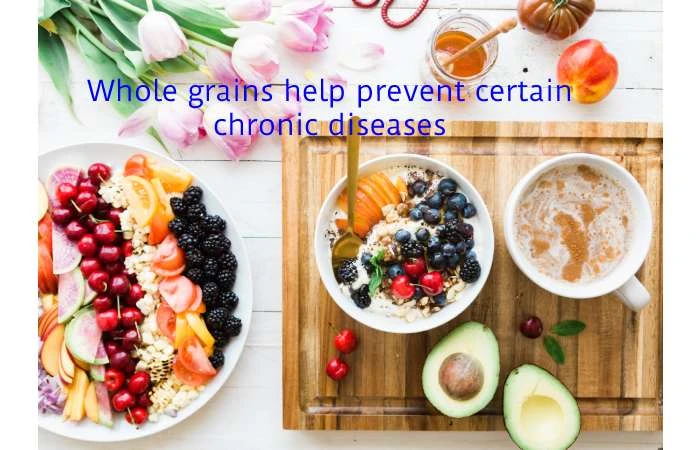
Experts have assured that whole grains help prevent the onset of certain chronic diseases, thanks, among other things, to their antioxidant activity. Various scientific studies associate the consumption of whole grains with a reduced risk of cardiovascular disease, type 2 diabetes, obesity, and some types of cancer.
A balanced diet that includes whole grains, fruits and vegetables can support overall health. Read more about the role of food in cancer to understand the relationship between nutrition and cancer.
Traditionally, the fiber, vitamin, and mineral content of whole grains have been keen to as the main responsible for the health effects of these foods. Conversely, recent studies have highlighted the presence of other “non-nutrient” components that also seem to impact maintaining health significantly.
In recent years it has been exposed that whole grains are important sources of these compounds, especially phenolic compounds, carotenoids, lignans, phytosterols, or tools, among others, and therefore provide extensive fitness benefits.
Conclusion
Breakfast is essential that at least half of all grains consumed be whole grains. Whenever Like most people, you’re not receiving enough entire grains. Find out how to make whole grains part of your healthy diet. Choosing whole grains and combining them with a variety of nutritious foods is an important part of maintaining a healthy diet
However it is necessary to avoid those cereals that have dyes or are more significant with sugar, grains accompanied by dried fruits are usually high in calories. In this case, they should continue to pay in moderation.