
Introduction
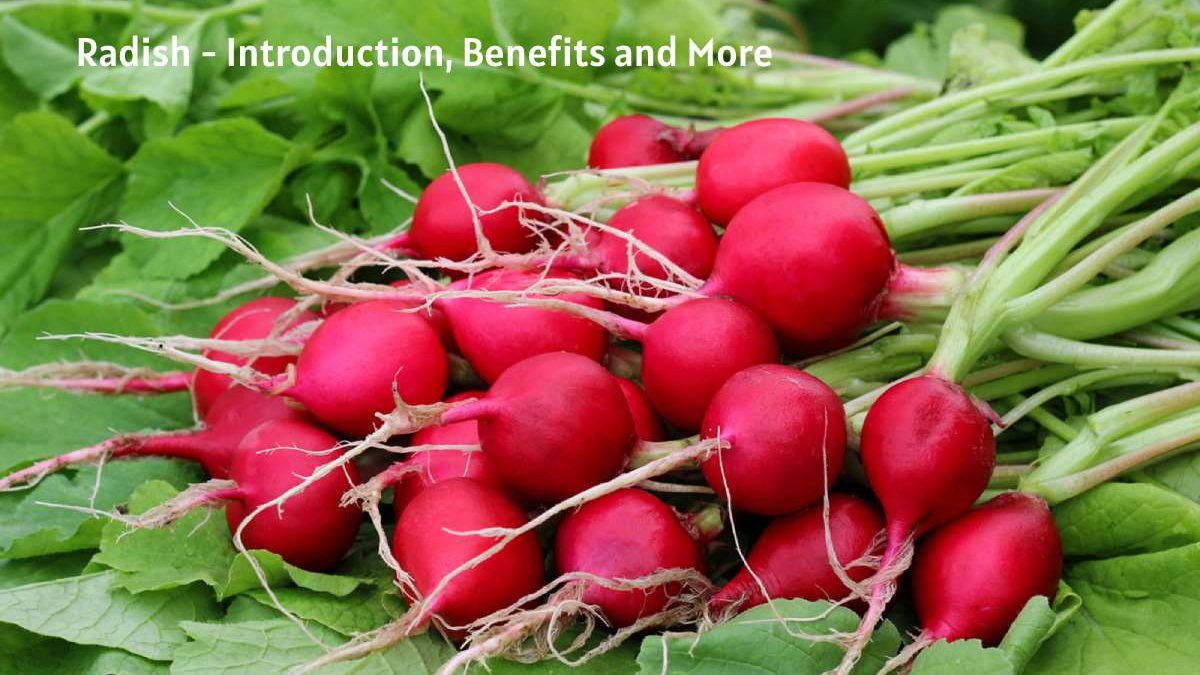
Radish is one of the root vegetables belonging to the cruciferous vegetable family, which also includes broccoli and cabbage. Since ancient times, radishes and other vegetables from this family have been valued for their potential health benefits. Modern research has also highlighted the importance of a balanced diet rich in vegetables. Understanding the benefits of radish can help you make healthier food choices and improve your overall nutrition.
Table of Contents
Benefits Of Radish
Here are some of the most important potential benefits of radish.
Natural Cooling Of The Body And Maintaining Moisture
Eating radish on hot days may help keep the body hydrated because it has a high water content and very few calories (less than 20 calories per cup of chopped radish).
As a source of vitamin C and other nutrients, radish can contribute to a balanced diet that supports overall health. Including water-rich vegetables alongside other nutritious foods, such as those discussed in this guide to healthy diet, can help maintain hydration and support general well-being during hot weather.
Calming A Sore Throat
With its sharp, peppery flavour, radish is traditionally used to help relieve some cold-related symptoms. Its vitamin C content and other plant compounds contribute to its nutritional value. However, there is limited scientific evidence that radish directly treats a sore throat, clears sinus congestion or cures a cold. Drinking enough fluids and eating a variety of nutritious foods can support general health during recovery.
Immune Enhancement And Detoxification Of The Body
Radish contains vitamin C and antioxidants that support normal immune function and help protect cells from oxidative stress. Regularly eating a variety of vegetables can contribute to a healthy diet and provide essential nutrients.
Radish also contains beneficial plant compounds that contribute to its nutritional profile. For a better understanding of how nutrients support the body, read this guide to nutrient definition, which explains the role of different nutrients in maintaining health.
Although radish can be part of a nutritious diet, it does not directly remove toxins from the body or prevent all viral infections. The liver and kidneys perform the primary functions of processing and eliminating waste.
Promoting Kidney Health
Radish has a high water content and can contribute to daily fluid intake. Adequate hydration supports normal kidney function and helps the body eliminate waste through urine.
However, there is insufficient evidence that eating radish treats kidney disease, dissolves kidney stones or cures urinary tract infections (UTIs). People with kidney problems should consult a healthcare professional before making significant dietary changes, as their nutritional needs can vary.
Regulating Blood Pressure Levels
Radish contains potassium, a mineral that plays an important role in maintaining normal blood pressure and supporting healthy muscle function. Eating a varied diet that includes vegetables can help support cardiovascular health.
Radish leaves are also nutritious and may contribute potassium and other beneficial compounds to the diet. However, radish should not be considered a replacement for prescribed blood pressure medication or medical advice. Combining vegetables with other nutrient-rich foods, including the benefits of parsley, can add variety to a balanced eating plan.
Benefits Of Radish For The Skin
Radish contains water, vitamin C and other plant compounds that can contribute to a balanced diet that supports skin health. Here are some of its potential benefits:
- Helps maintain hydration: Its high water content contributes to overall fluid intake, which is important for normal skin function.
- Supports healthy skin: Vitamin C helps the body produce collagen, a protein that supports the structure of the skin.
- Provides antioxidants: Radish contains plant compounds that help protect cells from oxidative stress.
- Supports overall nutrition: Including radish in a varied diet provides nutrients that contribute to general health and normal skin function.
- Complements a nutritious eating plan: Combining radish with other nutrient-rich foods, such as pumpkin seeds, can provide additional nutrients. Explore these benefits of pumpkin seeds to learn more about their nutritional value.
Although radish is a nutritious vegetable, there is limited evidence that applying it directly to the skin treats insect bites, infections, skin diseases or signs of ageing. Direct application may also irritate sensitive skin, so it is better to use products specifically designed for skincare.
The Nutritional Content Of Radish
Radish is a low-calorie, high-water vegetable. A 100-gram serving of fresh radish roots provides approximately 16 calories, along with dietary fibre, vitamin C and other essential nutrients.
It also contains small amounts of B vitamins, including vitamin B6 and thiamine, as well as minerals such as potassium, calcium, magnesium, iron and copper.
Radish contains glucosinolates and other plant compounds that can be broken down into substances such as isothiocyanates. Sulforaphane is a well-known isothiocyanate found particularly in cruciferous vegetables such as broccoli. Research has investigated these compounds for their potential role in cellular protection and cancer prevention, but eating radish alone has not been proven to prevent or treat cancer. For more information, read this article on the role of food in cancer.
Radish also contains various phytochemicals and antioxidants, including flavonoids and carotenoids. These compounds contribute to the nutritional value of vegetables and help make a varied, plant-rich diet beneficial for overall health.
Including radish in your daily meals is an easy way to add crunch, flavour and nutrients to your diet. You can enjoy it in salads, sandwiches or side dishes, or combine it with other vegetables for a nutritious breakfast. Discover more ideas in this guide to breakfast benefits and more.