Table of Contents
Introduction
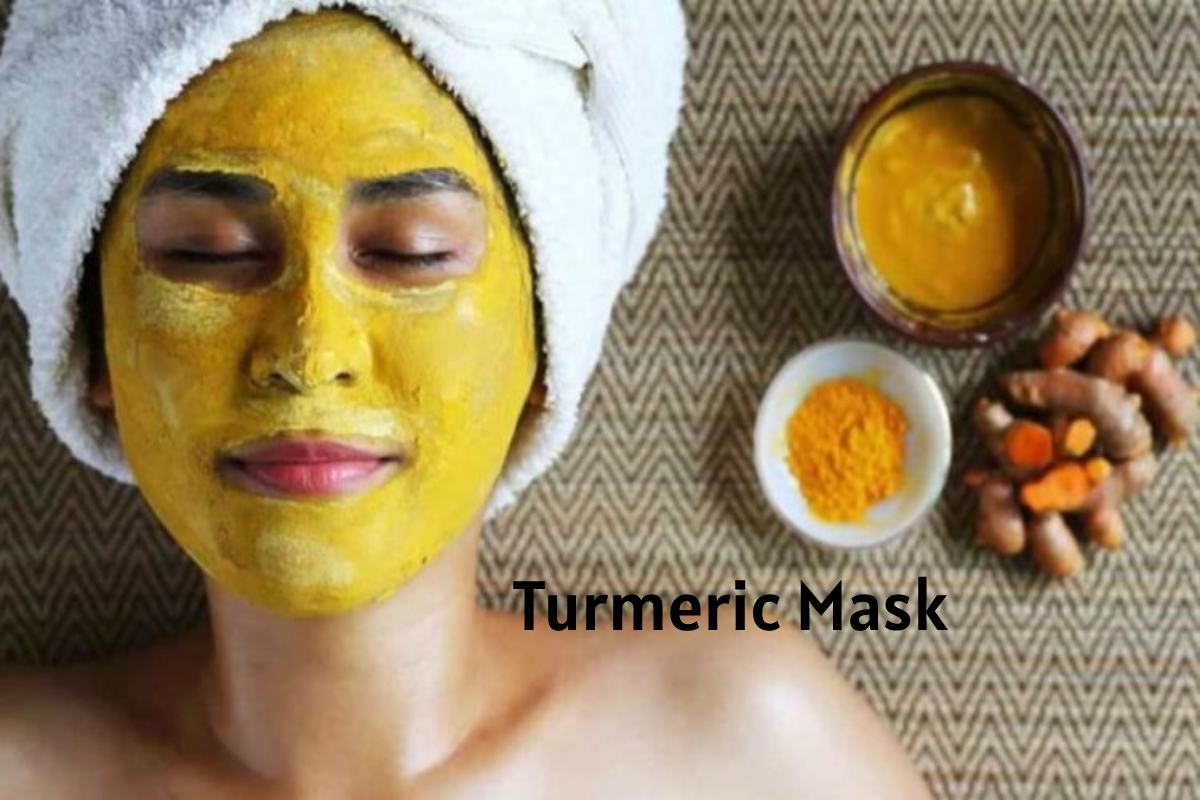
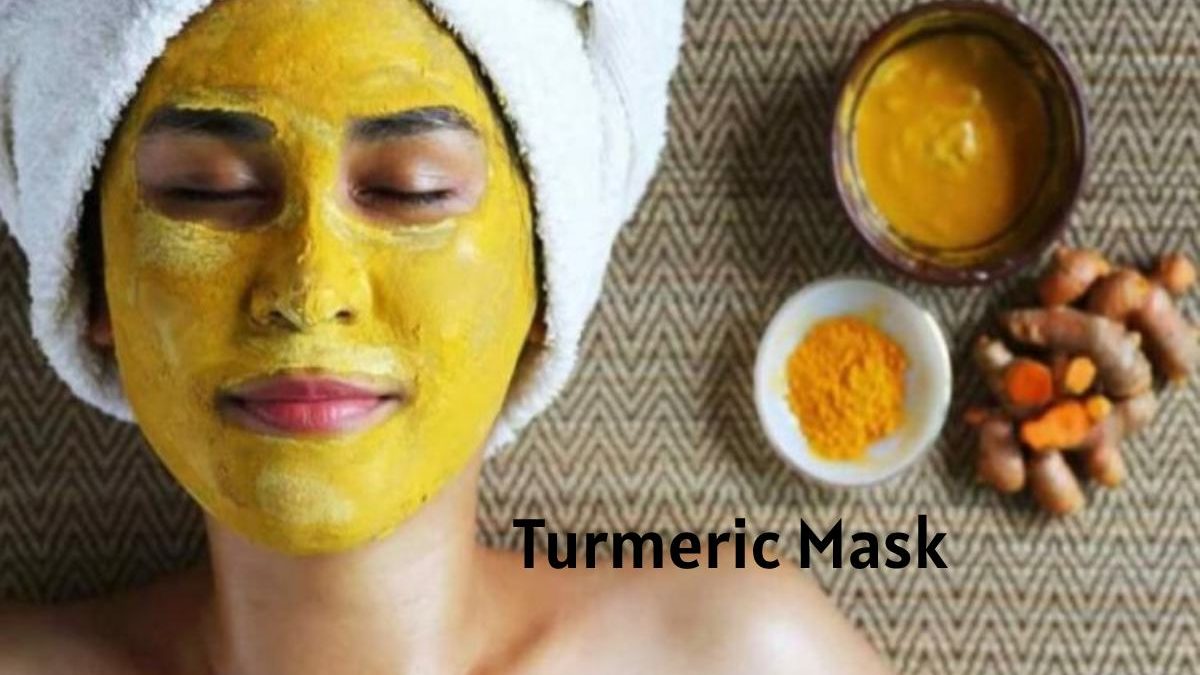
A turmeric mask is a popular home skincare treatment that uses turmeric as one of its main ingredients. Turmeric contains curcumin, a compound known for its antioxidant and anti-inflammatory properties. When used appropriately, turmeric may help support a healthy-looking complexion and can be included in a gentle skincare routine.
A turmeric mask may help improve the appearance of dull or uneven-looking skin, although it should not be considered a treatment for medical skin conditions or a guaranteed way to remove pigmentation. Consistent skincare and daily sun protection remain important for maintaining an even skin tone.
Turmeric masks are commonly used to:
- Support a brighter-looking complexion.
- Soothe the appearance of irritated skin.
- Improve the appearance of dull skin.
- Provide temporary hydration when combined with moisturising ingredients.
- Complement a regular skincare routine.
For more intensive skin concerns, professional treatments may sometimes be considered. For example, laser treatment is a clinical option used for certain pigmentation and skin-texture concerns, but it should only be performed after consultation with a qualified professional.
Turmeric Mask Recipes to Unify Skin Tone
There are several ways to prepare a turmeric mask at home. The following recipes combine small amounts of turmeric with ingredients commonly used for their moisturising or soothing properties.
Turmeric Mask With Milk and Honey
Honey is a popular skincare ingredient because it helps moisturise the skin and contains naturally occurring compounds with antimicrobial properties. Milk contains lactic acid, an alpha-hydroxy acid that can provide gentle exfoliation when used in appropriate skincare formulations.
To prepare this turmeric mask:
- Mix ¼ teaspoon of turmeric powder with one teaspoon each of milk and honey.
- Apply a thin layer to clean skin.
- Leave it on for approximately 5–10 minutes.
- Rinse thoroughly with cool or lukewarm water.
- Apply a gentle moisturiser afterward.
If your skin is sensitive, perform a patch test first and avoid using the mixture on broken or irritated skin.
Turmeric Mask With Avocado and Yoghurt
Avocado contains fatty acids and various nutrients that can help provide a moisturising feel, while yoghurt contains lactic acid and can gently exfoliate the skin.
To prepare the mask:
- Mash approximately one tablespoon of ripe avocado.
- Add one teaspoon of plain yoghurt and ¼ teaspoon of turmeric.
- Mix until smooth.
- Apply a thin layer to the face.
- Leave it on for about 10 minutes.
- Rinse thoroughly and moisturise.
Avoid applying this mask close to the eyes, as the skin in this area is particularly sensitive. For additional information about caring for sensitive facial areas, see The Delicate Zone.
Turmeric Mask With Rice Flour
Rice flour is often used in traditional beauty routines as a gentle cleansing or exfoliating ingredient. However, it should not be considered a replacement for sunscreen or proven treatments for pigmentation.
To prepare the mask:
- Mix two tablespoons of rice flour with ½ teaspoon of turmeric powder.
- Add a small amount of water until a smooth paste forms.
- Apply gently to the skin without vigorous rubbing.
- Leave for approximately 10 minutes.
- Rinse with cool or lukewarm water.
- Apply moisturiser.
If you have sensitive or acne-prone skin, avoid scrubbing the mixture aggressively because physical friction may cause irritation.
Turmeric With Honey and Lemon
Honey can help moisturise the skin, but lemon juice requires particular caution. Fresh lemon juice can irritate the skin and may increase sensitivity to sunlight. Therefore, it is generally safer to avoid applying concentrated lemon juice directly to the face, especially if you have sensitive, dry or acne-prone skin.
If you still choose to use a DIY recipe containing lemon, use only a very small amount, perform a patch test and avoid sun exposure afterward. However, a turmeric-and-honey mask without lemon is a gentler alternative.
To prepare the simpler version:
- Mix ¼ teaspoon of turmeric powder with one tablespoon of honey.
- Apply a thin layer to clean skin.
- Leave it on for approximately 5–10 minutes.
- Rinse thoroughly.
- Apply a moisturiser.
Turmeric Mask With Aloe Vera and Honey
Aloe vera gel is commonly used in skincare because it provides a cooling and moisturising sensation. Combining it with honey and a small amount of turmeric can create a simple soothing mask.
To prepare it:
- Combine one tablespoon of pure aloe vera gel with ¼ teaspoon of turmeric.
- Add a small amount of honey.
- Mix thoroughly.
- Apply a thin layer to clean skin.
- Leave it on for around 10–15 minutes.
- Rinse thoroughly with cool or lukewarm water.
Make sure the aloe vera product is suitable for topical use and does not contain ingredients that may irritate your skin.
Turmeric Mask With Sandalwood Powder
Sandalwood has traditionally been used in beauty routines, particularly in face masks. It can provide a soothing and refreshing feel, although evidence for its ability to remove pigmentation is limited.
To prepare the mask:
- Mix less than ½ teaspoon of turmeric powder with one tablespoon of sandalwood powder.
- Add a small amount of rose water until a smooth paste forms.
- Apply gently to clean skin.
- Leave it on for approximately 15 minutes.
- Rinse thoroughly and moisturise.
Do not scrub the mask off aggressively, particularly if you have sensitive skin.
Tips When Using a Turmeric Mask to Unify Skin Tone
Following a few precautions can help reduce the risk of irritation when using homemade turmeric masks.
Perform a Patch Test
Before applying a new DIY mask to your face, test a small amount on an inconspicuous area of skin. Wait to see whether redness, itching, burning or swelling develops.
Do Not Leave the Mask on for Too Long
Longer application does not necessarily produce better results. Keeping a turmeric mask on for around 5–15 minutes is generally sufficient for a simple DIY routine. Stop immediately if you experience burning or significant irritation.
Avoid Harsh Scrubbing
Do not use sugar, coarse powders or vigorous rubbing to remove pigmentation. Excessive friction can irritate the skin and potentially make uneven pigmentation more noticeable.
Be Careful With Lemon
Lemon juice can be irritating and may make skin more sensitive to sunlight. For this reason, it is better to avoid using concentrated lemon juice on the face.
Use Sunscreen Every Day
Sun exposure can contribute significantly to uneven pigmentation and dark spots. Applying a broad-spectrum sunscreen during the day is one of the most important steps for protecting the skin and maintaining an even-looking complexion.
Give Sensitive Skin Extra Care
If you have sensitive skin or are recovering from another cosmetic procedure, avoid experimenting with multiple DIY treatments at once. Procedures such as microneedling can temporarily make the skin more sensitive. Learn more about derma rollers and microneedling before combining them with home masks or other exfoliating treatments.
Turmeric Masks and Professional Skincare Treatments
A homemade turmeric mask can be a simple addition to a skincare routine, but it should not replace professional treatment when pigmentation or another skin concern is persistent.
Dark spots can have many different causes, including sun exposure, acne-related inflammation, hormonal changes and certain medications. A dermatologist can determine the underlying cause and recommend an appropriate treatment.
People interested in improving their overall beauty routine may also combine skincare with other self-care activities. A relaxing home spa routine can include gentle cleansing, moisturising and relaxation without relying on harsh treatments.
Beauty and self-care can also extend beyond skincare. Personal style, accessories and beauty traditions can complement a broader routine, such as exploring stylish Instagram khafif mehndi designs or learning about the deeper meaning behind today’s diamond rings.
Final Thoughts
Turmeric masks can be an inexpensive addition to a simple skincare routine. Turmeric’s antioxidant and anti-inflammatory properties make it a popular ingredient in traditional and modern beauty practices, while ingredients such as honey, aloe vera, avocado and yoghurt can provide additional skincare benefits.
However, homemade masks cannot guarantee that pigmentation or dark spots will disappear. Avoid harsh scrubbing and irritating ingredients, perform a patch test before trying a new recipe and protect your skin from the sun every day.
For persistent pigmentation, acne scars or other skin concerns, professional advice from a dermatologist is the safest way to identify the cause and choose an appropriate treatment.